PsychologyRelationships
Love languages are outdated
Love languages dominate relationship advice, but the research doesn't support them. Responsiveness predicts relationship success far better.
7 min
164 articles on relationships.
Love languages dominate relationship advice, but the research doesn't support them. Responsiveness predicts relationship success far better.

Being 'in love' and loving someone are different brain states. Understanding the shift can save your relationship from a false alarm.
What do couples who last 50 years actually do differently? The research reveals habits that are simpler and harder than you'd expect.
Relationships are hard because they're supposed to be. Here's the science behind why difficulty is a feature, not a bug.
Love isn't one thing. From Sternberg's triangular theory to ancient Greek categories, here are the types of love and which ones actually last.
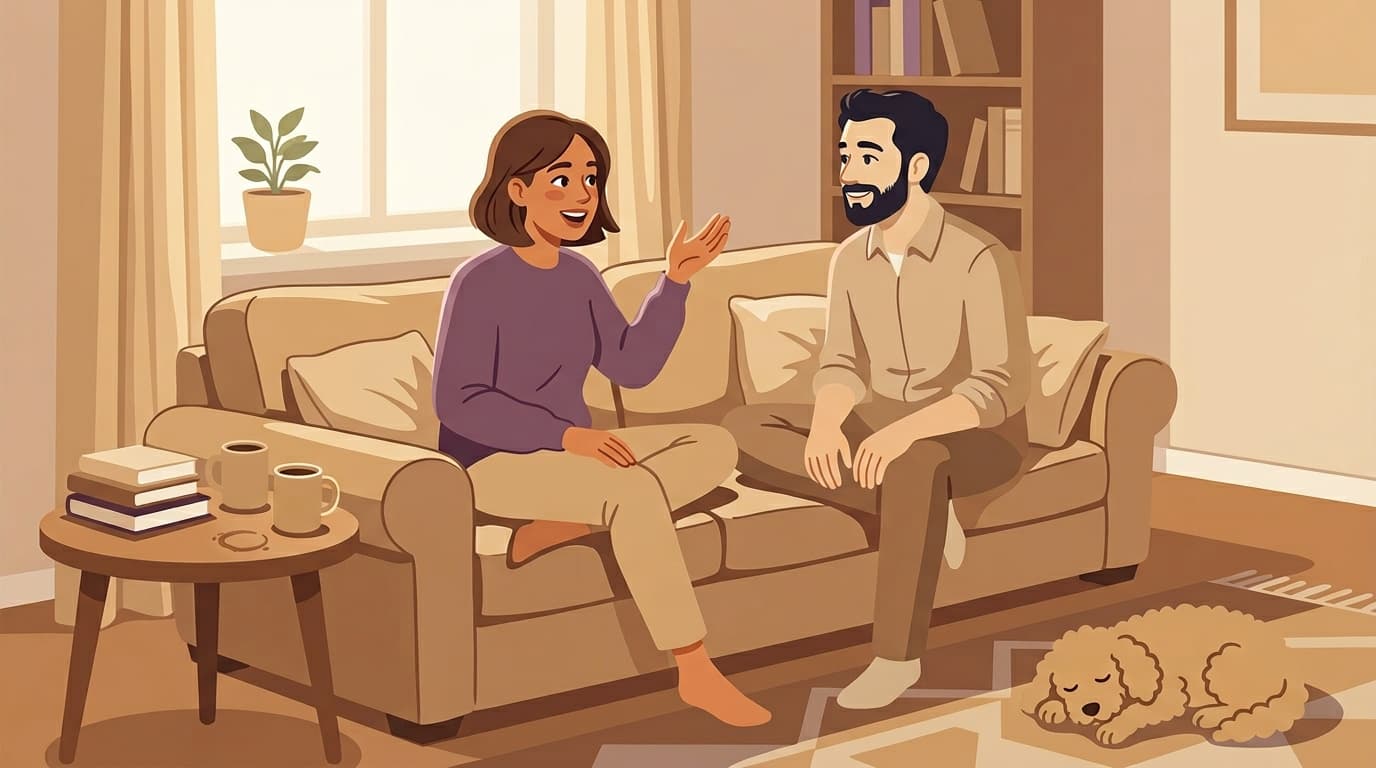
Healthy relationships aren't conflict-free. Here are 15 research-backed signs that distinguish thriving couples from merely comfortable ones.

Losing yourself in a relationship is enmeshment, not love. How to stay close without disappearing.
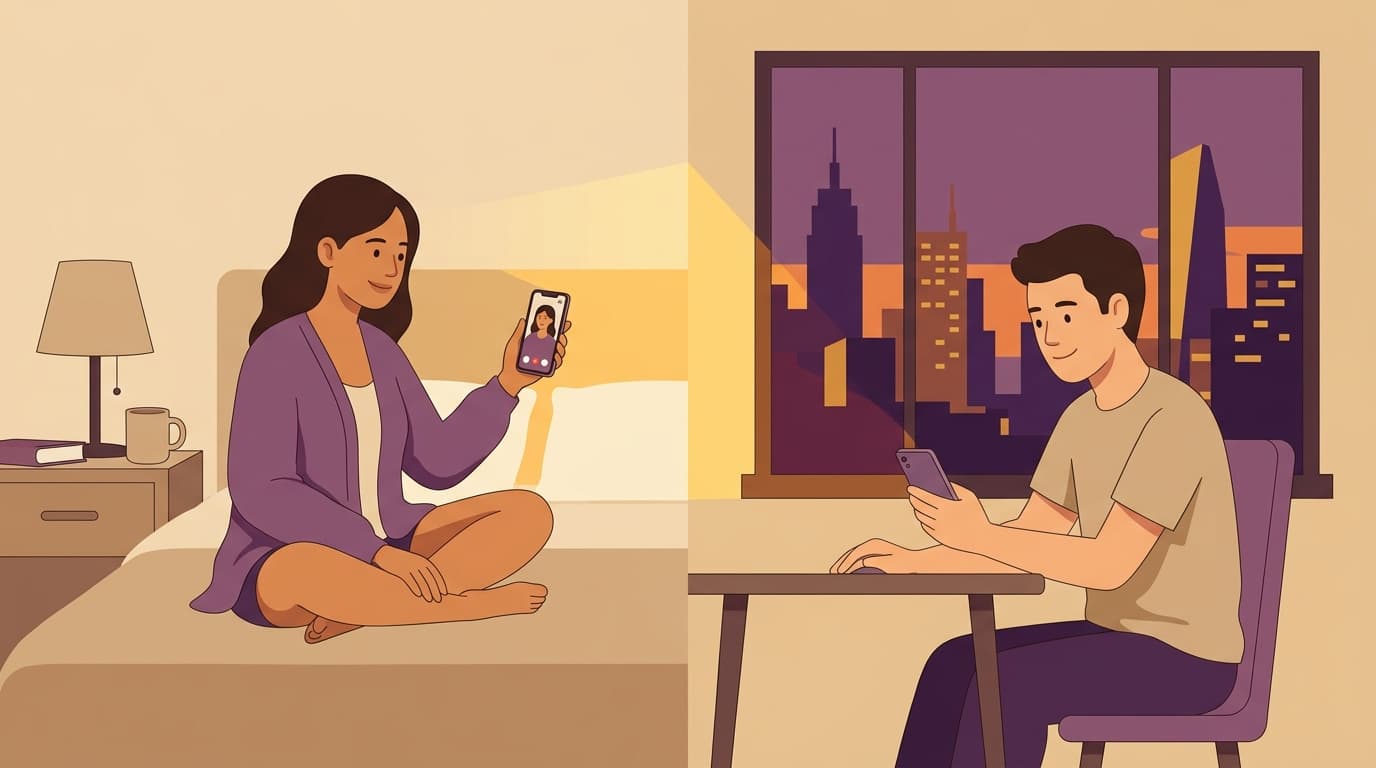
Long-distance relationships get a bad reputation, but the research disagrees. What actually keeps couples connected across distance.

Eight evening rituals backed by research to help couples transition from work mode to connection. Specific how-tos included.
Looking for a Paired alternative? We compared 6 couple apps on pricing, features, and what real users say. Some are cheaper, some are smarter.

A 30-day couples journaling practice with daily prompts. Based on Pennebaker's expressive writing research.
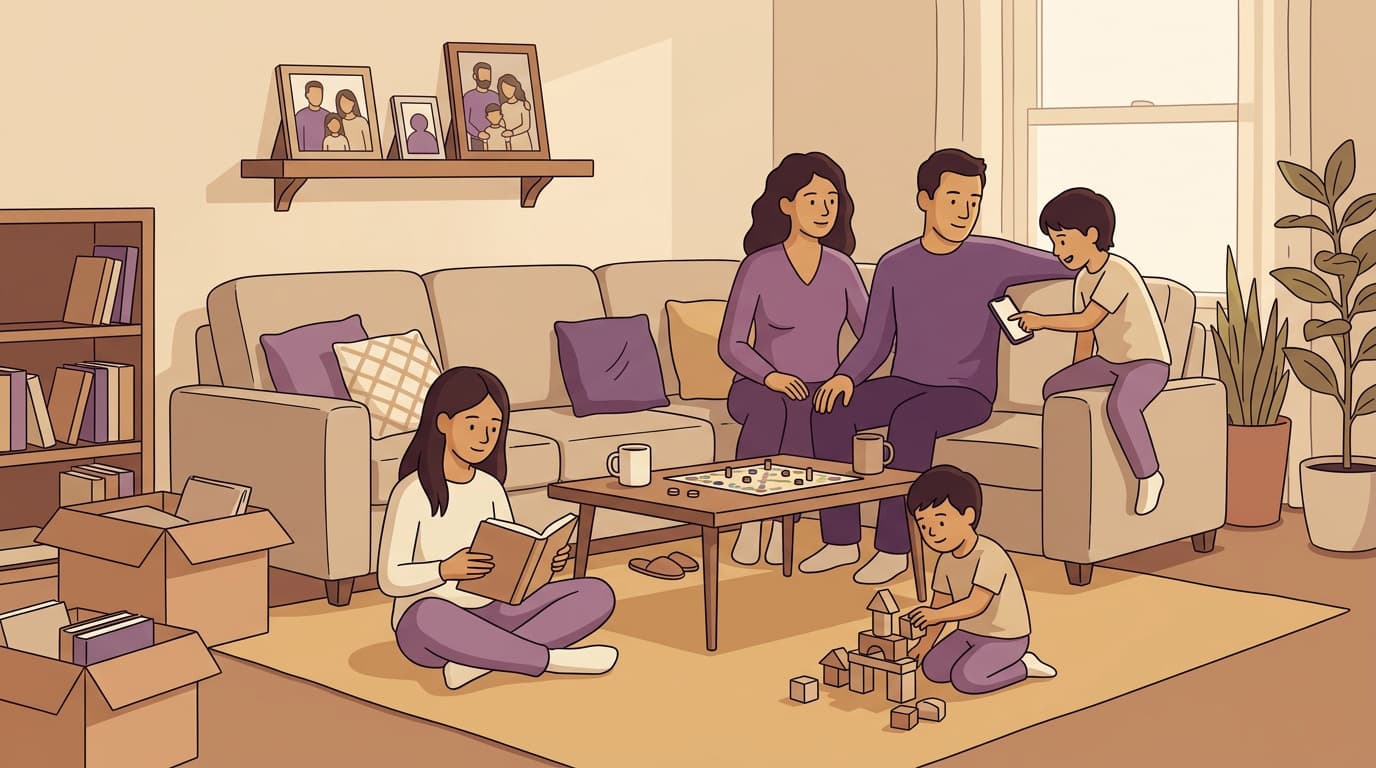
Blended families don't run on the same rules as first families. These 40 questions help you and your partner align before the hard stuff hits.
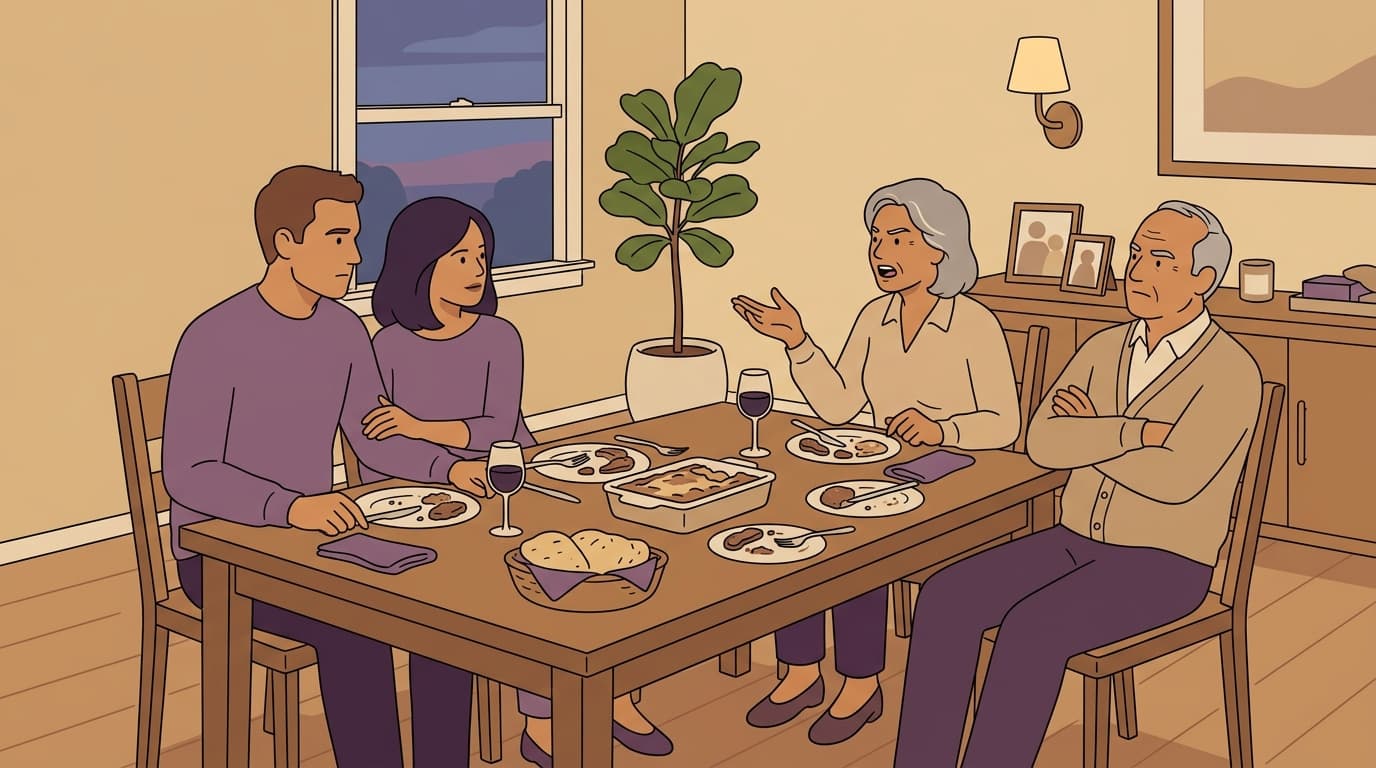
In-law conflict isn't personal; it's structural. How to set boundaries as a couple and protect your relationship.
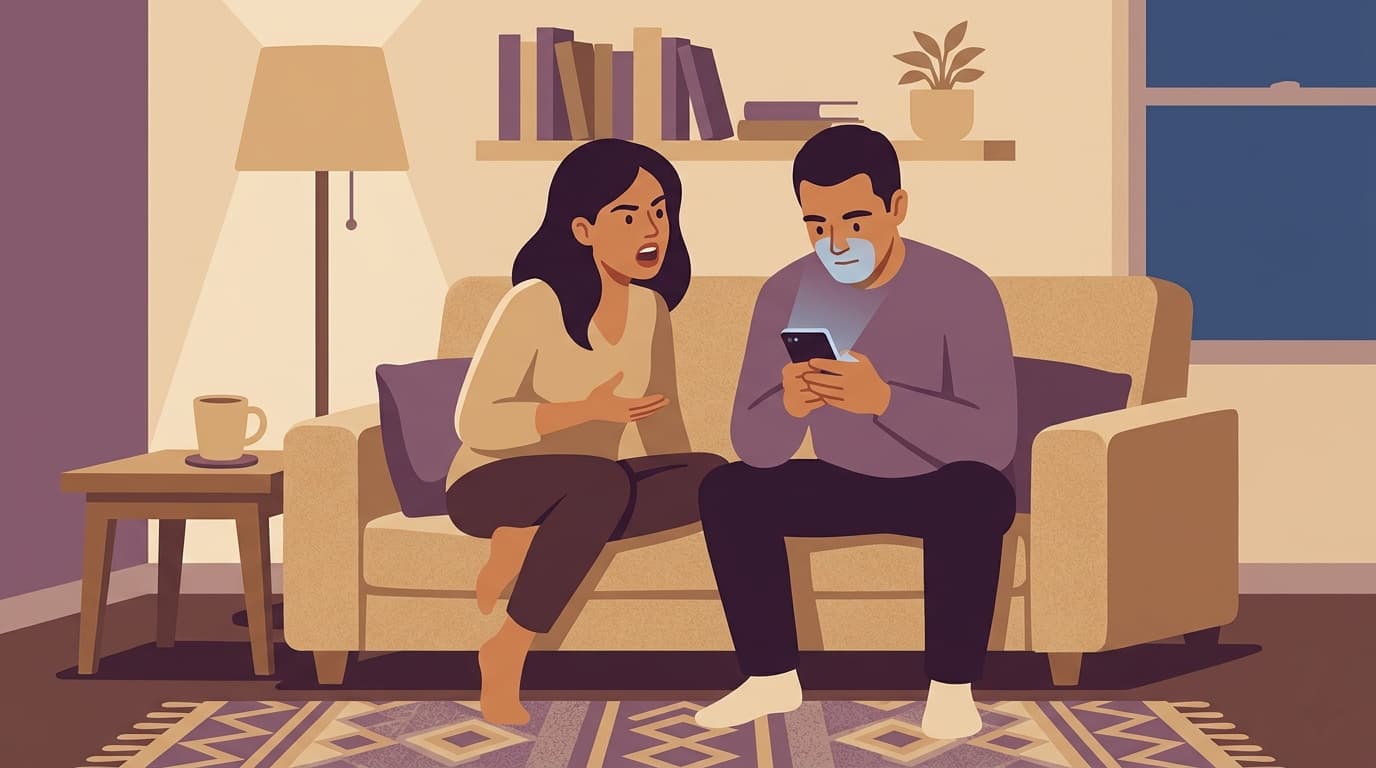
Phubbing, doomscrolling, and Instagram comparisons are eroding your relationship. How to set digital boundaries that actually stick.
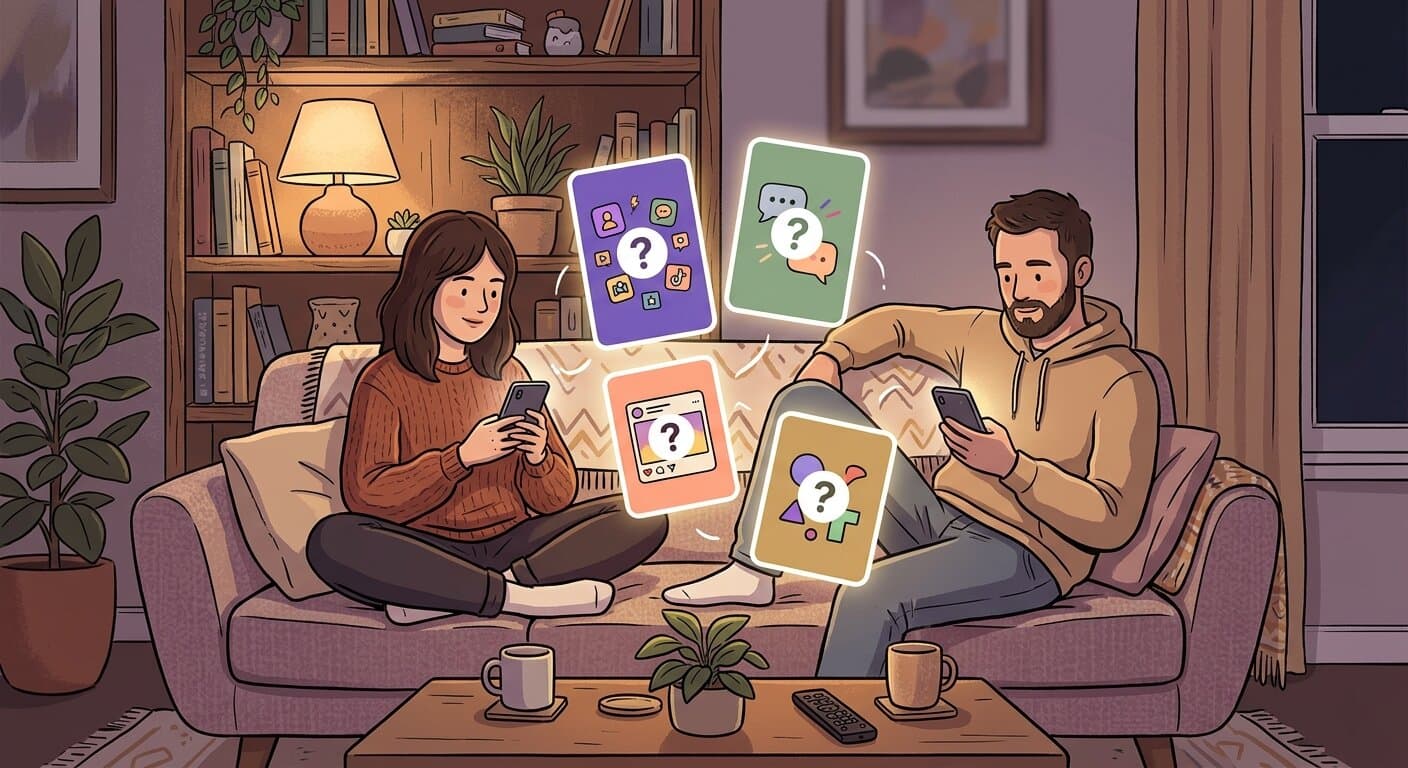
We researched 8 daily question apps for couples, comparing features, pricing, and real user feedback. Which ones are actually worth your time.