
IntimacyRelationships
Physical touch beyond sex: why non-sexual intimacy matters
Non-sexual touch triggers oxytocin, lowers blood pressure, and predicts relationship satisfaction. The science behind it and how to rebuild the habit.
12 min
17 articles on science.
Non-sexual touch triggers oxytocin, lowers blood pressure, and predicts relationship satisfaction. The science behind it and how to rebuild the habit.

A balanced look at attachment theory: where the pop psychology version misleads, what the science actually supports, and how to use it without being defined by it.

How external stress spills into your relationship, what cortisol does to communication, and how dyadic coping changes the equation.

The neurochemical shift from early passion to long-term bonding, and why some couples keep the spark while most lose it.

What 75 years of research says about why we're attracted to the people we're attracted to, from proximity to reciprocity.
How Polyvagal Theory explains your reactions during conflict, and why co-regulation with your partner changes everything.
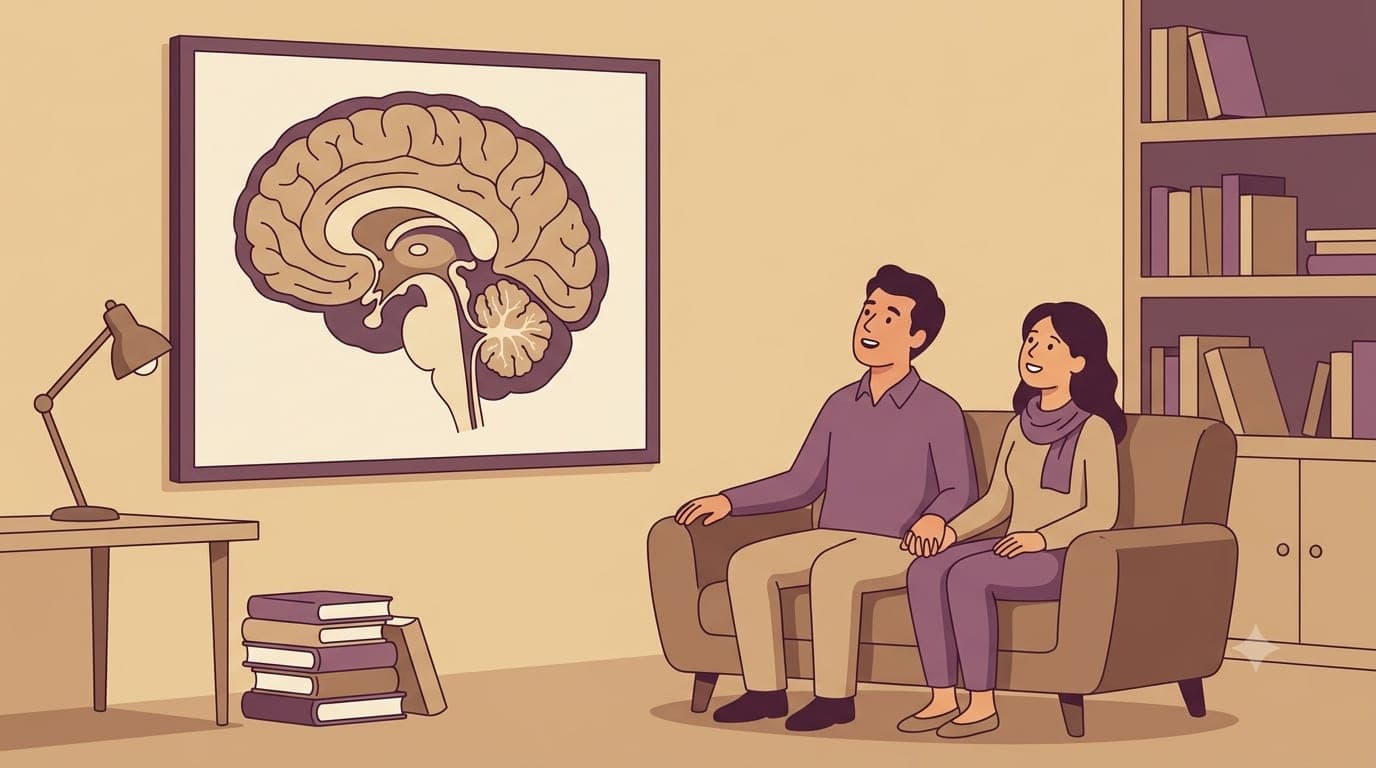
What fMRI scans, brain chemistry, and prairie voles reveal about how love works in your brain from infatuation through long-term bonding.
Decades of research and thousands of hours of clinical observation reveal what thriving couples actually do. Most of it is boring.

What do couples who last 50 years actually do differently? The research reveals habits that are simpler and harder than you'd expect.
Much of what we believe about relationships is based on intuition, not evidence. Here's what longitudinal research actually shows.

A synthesis of the major research findings on what makes relationships last, from the Harvard Study to Gottman's Love Lab.
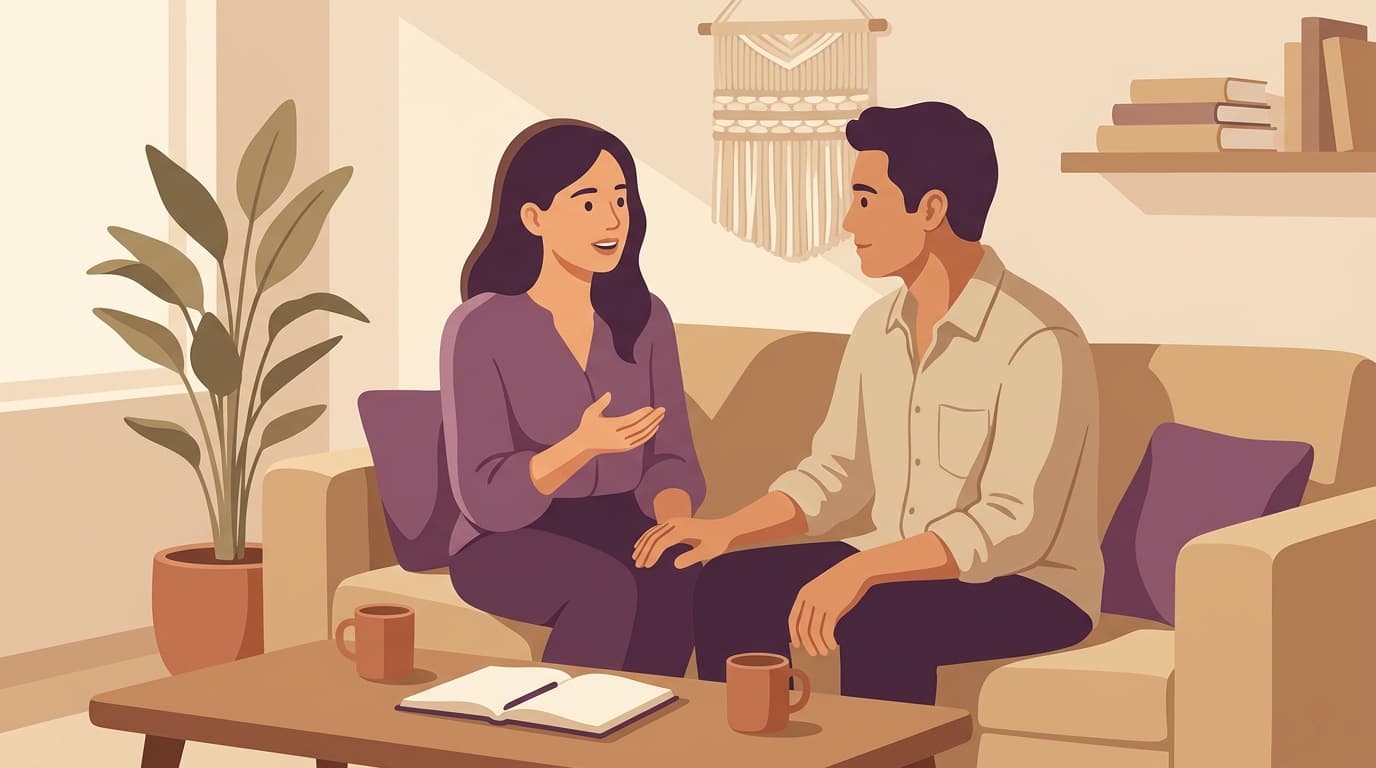
The Gottman Method distills 40 years of couples research into practical tools. What the data actually says about what makes love last.

People who ask more questions are liked more and build closer relationships. The research on which types of questions work best.

When you see your partner's answer first, you unconsciously adjust yours. Answering independently before the reveal makes conversations more honest.
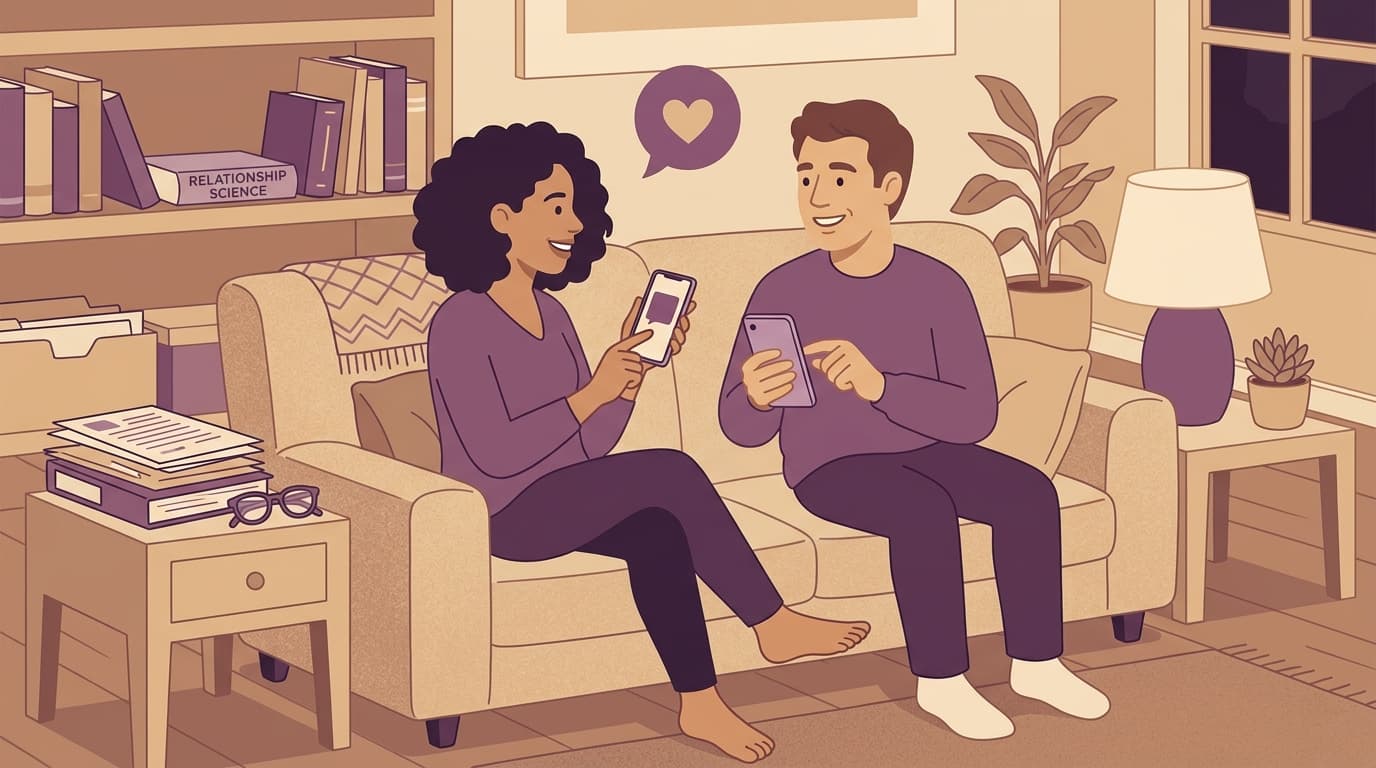
Can a phone app make your relationship better? The research is surprisingly clear on what works, what doesn't, and why.
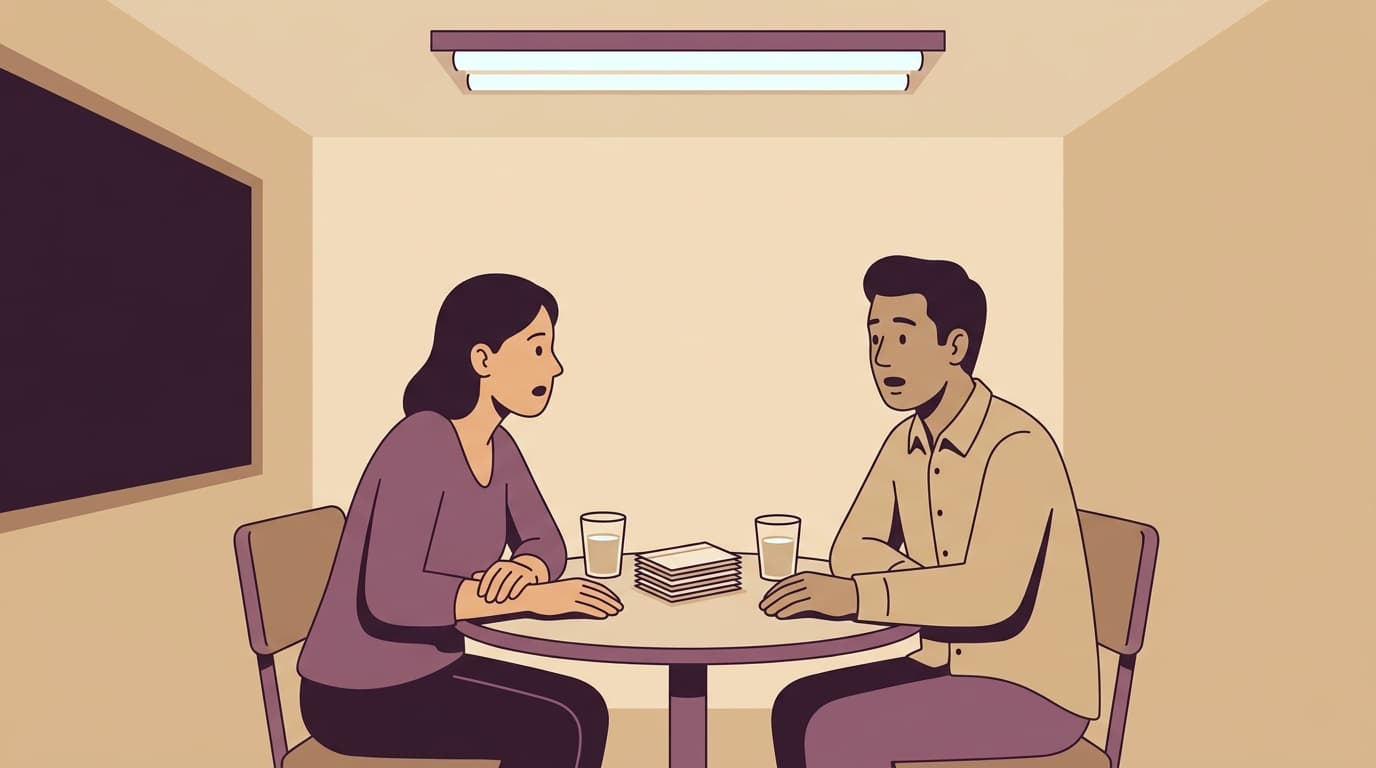
Arthur Aron's study created deep intimacy between strangers in under an hour using structured questions. How the science works and what came after.
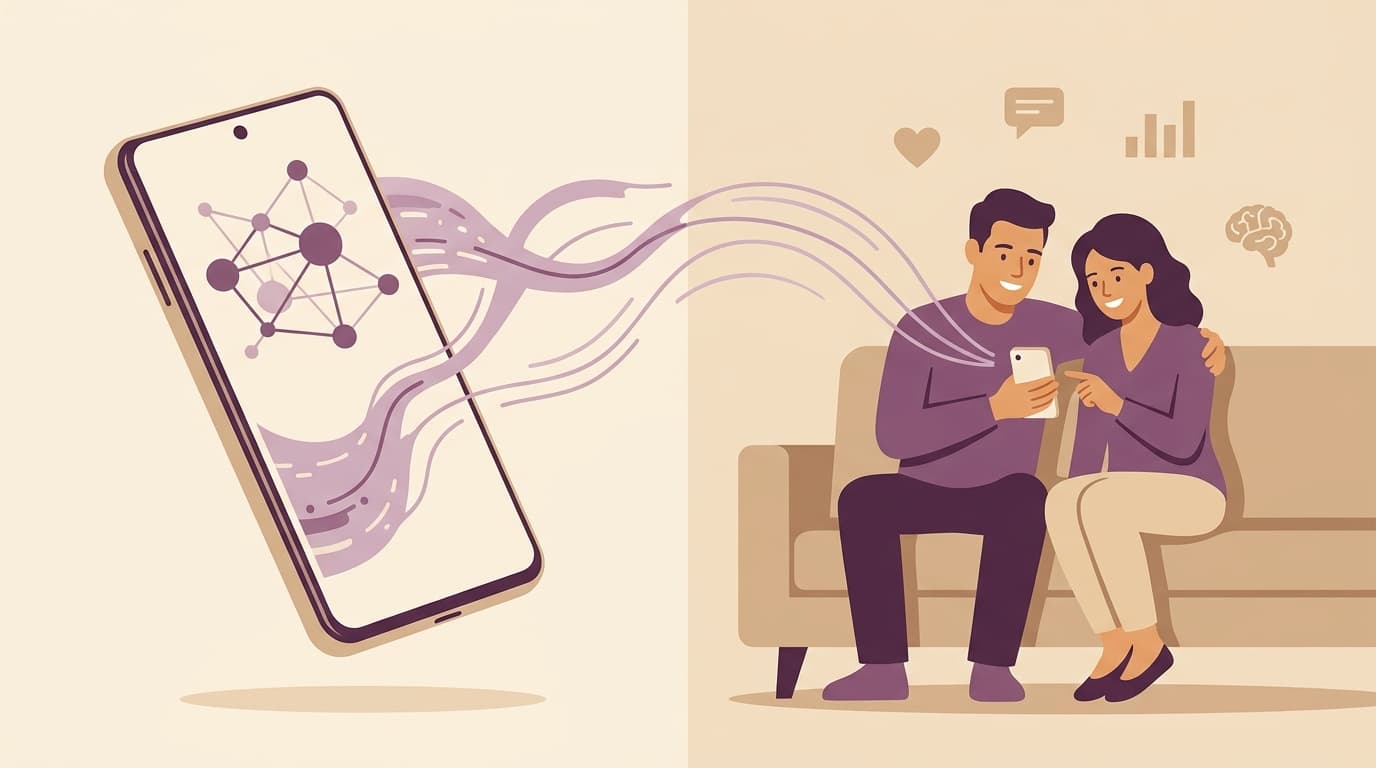
Spotify knows your music taste. Netflix knows your movie preferences. What if the same math could learn your relationship and serve better conversations?