PsychologyRelationships
Why personal growth sometimes threatens your relationship
When one partner grows, the relationship system gets disrupted. Why that happens and how to handle it.
12 min
77 articles on psychology.
When one partner grows, the relationship system gets disrupted. Why that happens and how to handle it.
Is it better to need or want your partner? The real answer is more complicated than Instagram quotes suggest.
Emotional regulation is the most underrated relationship skill. How it works, why suppression backfires, and what to do when you're flooded.
You inherited relationship patterns from your parents. How to identify them, understand them, and choose something different.
When your self-worth depends on your partner's approval, every interaction becomes high-stakes. Here's how to build an internal foundation.
Projection makes you fight about things that aren't real. How to catch it, understand where it comes from, and stop.
People-pleasing looks like kindness but erodes relationships from the inside. How to recognize the pattern and start saying what you actually think.
Defensiveness kills productive conflict. Here's why your brain does it and how to respond differently when your partner raises a complaint.
Relationship boredom gets a bad reputation. Sometimes it signals safety. Sometimes it signals stagnation. Here is how to tell the difference.
Shared meaning is what separates parallel lives from a real partnership. How to build rituals, goals, and a story that belongs to both of you.
Emotional and physical intimacy aren't the same thing, but they feed each other. Why most couples are lopsided and how to fix it.
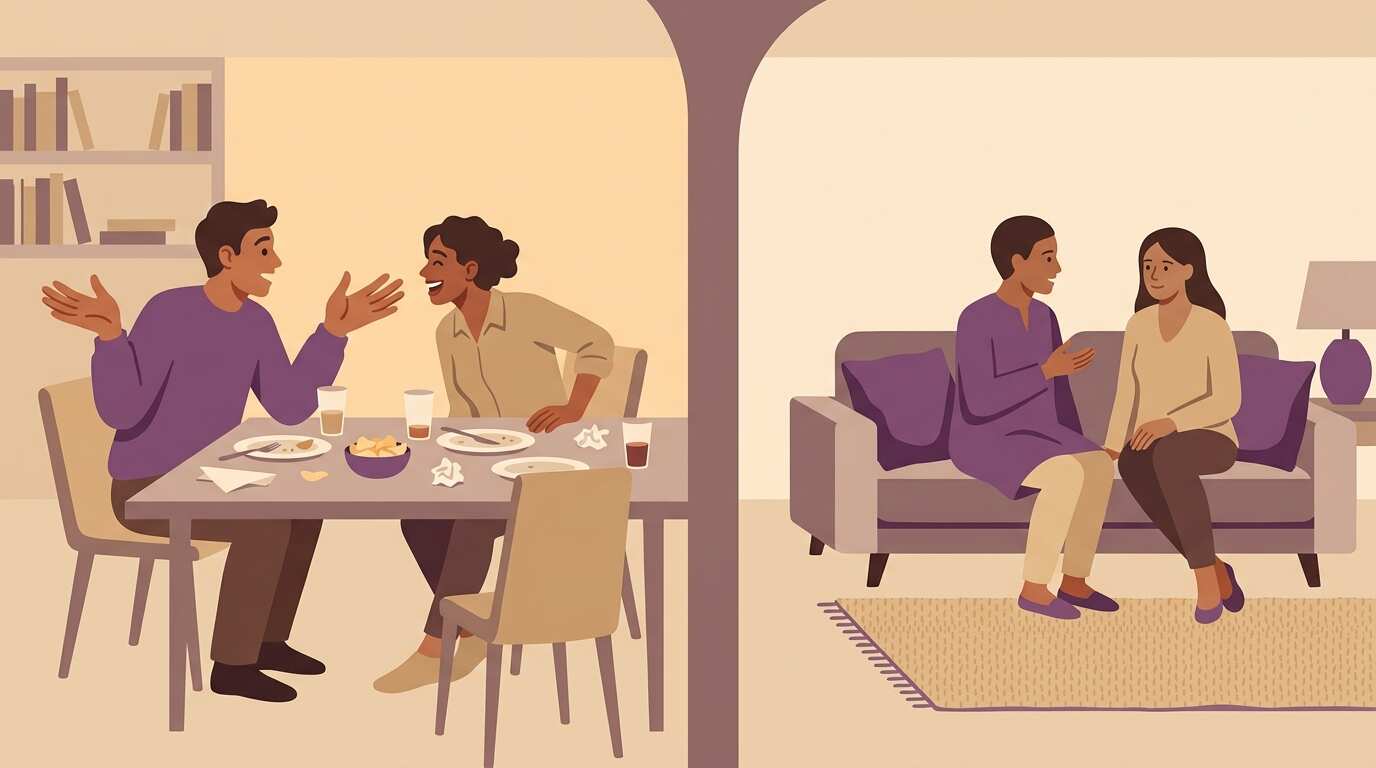
Gottman identified three stable couple styles: volatile, avoiding, and validating. The key isn't which style you are, it's the 5:1 ratio.
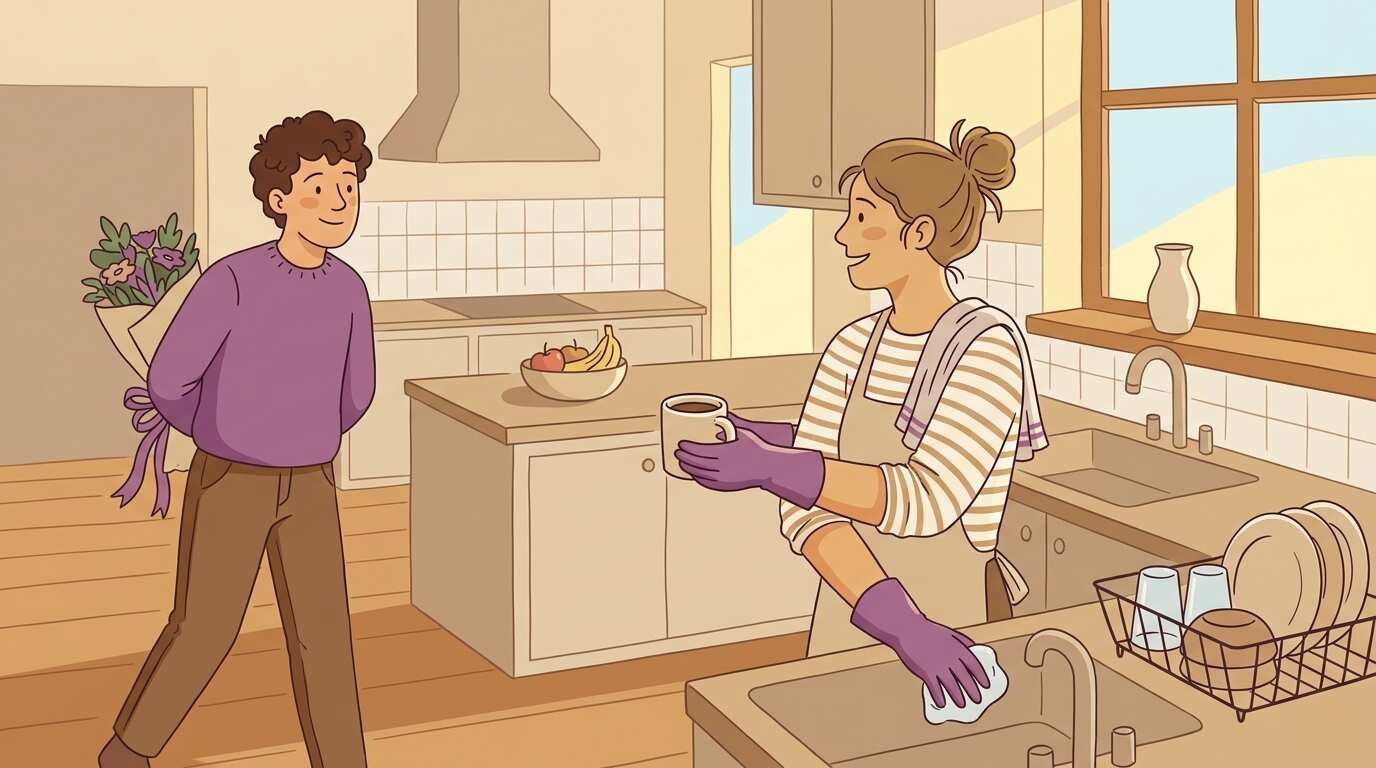
You show love your way, not theirs. How to close the gap when you and your partner express affection differently, beyond the quiz.
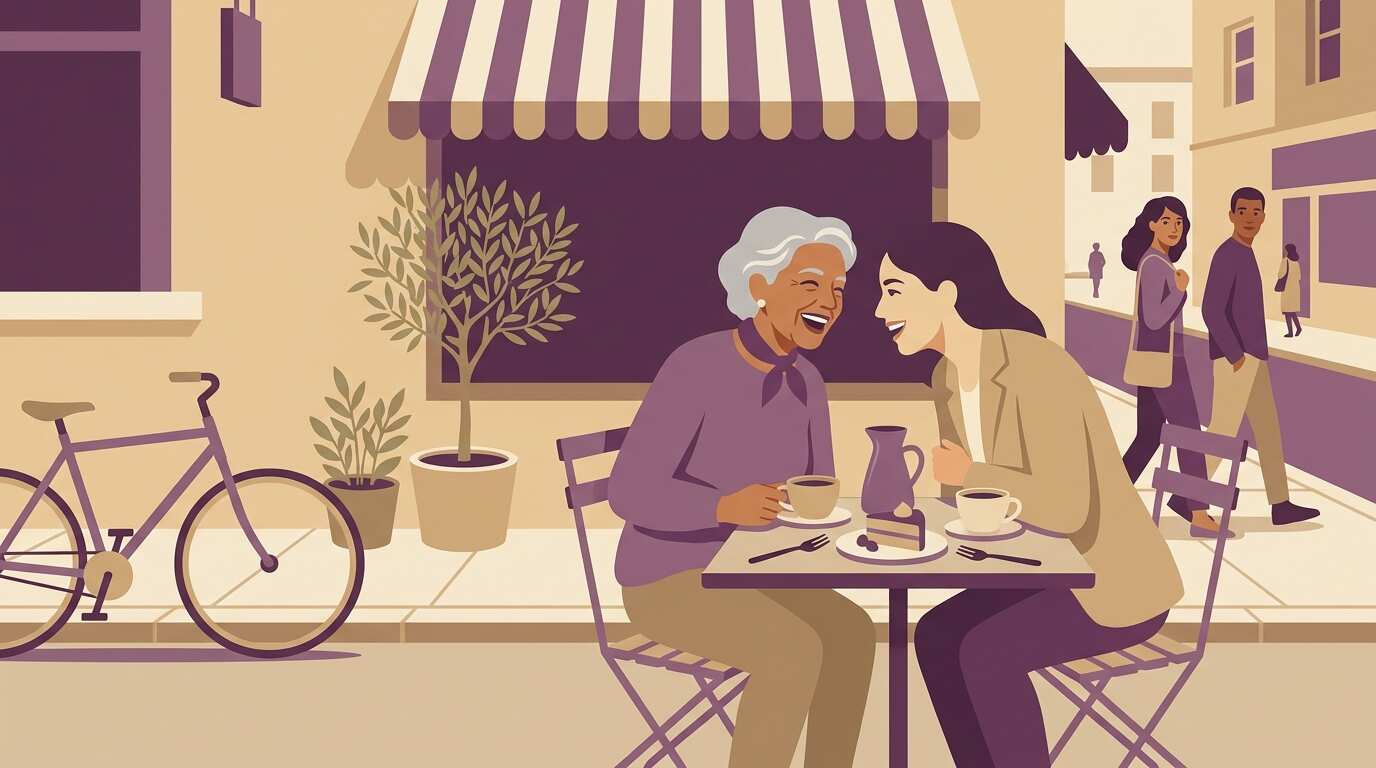
Age gap relationships attract strong opinions. What does the data actually show about satisfaction, power dynamics, and stigma?
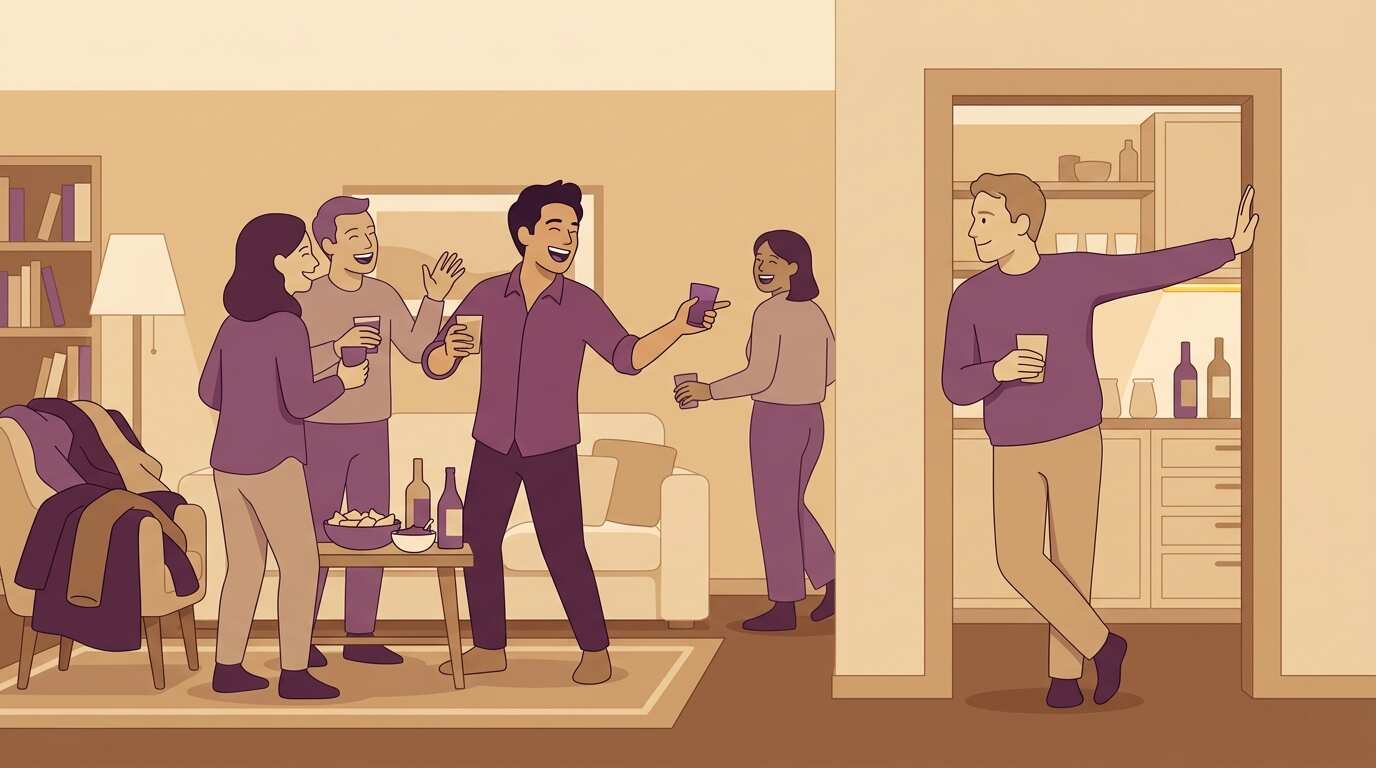
Introvert-extrovert couples face real friction around energy and socializing. What the science says about making it work.
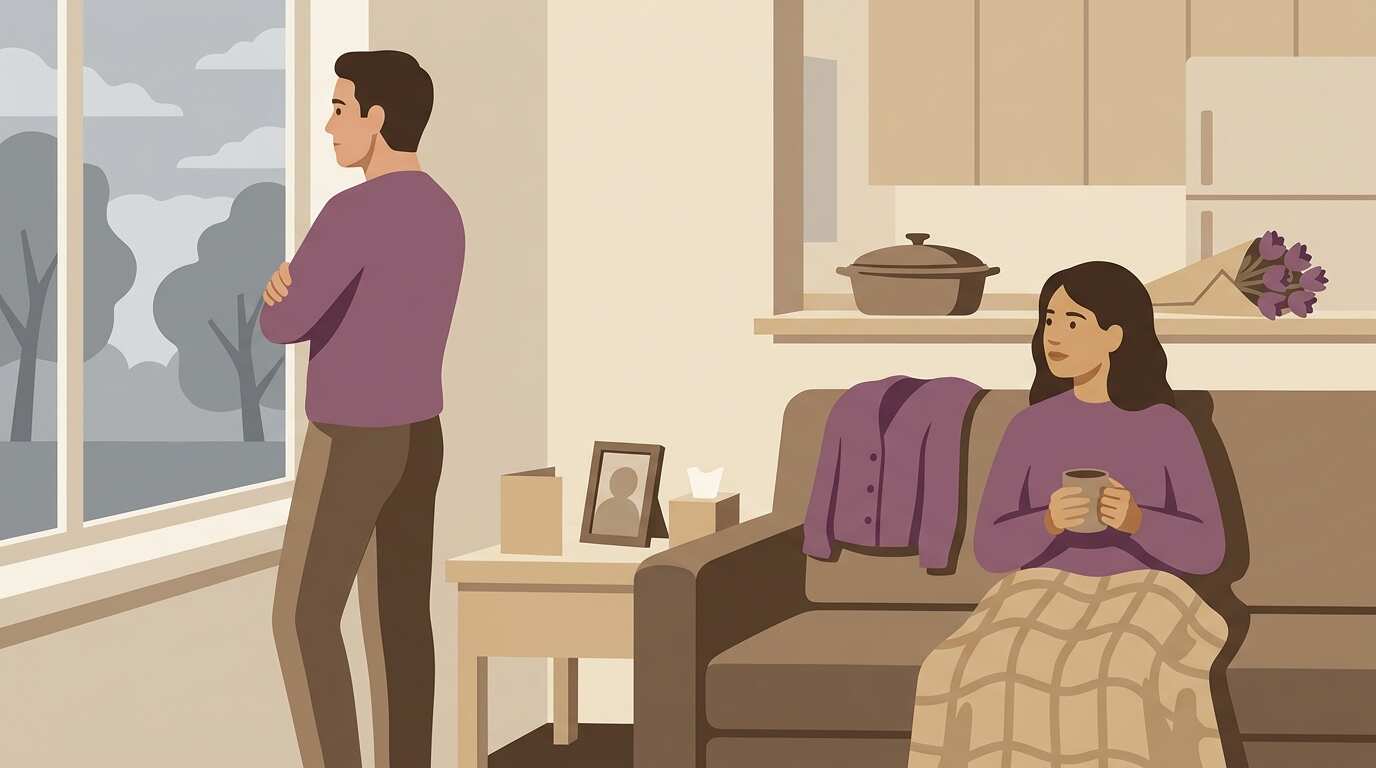
Partners often grieve differently and asynchronously. How to support each other through loss without losing your connection.
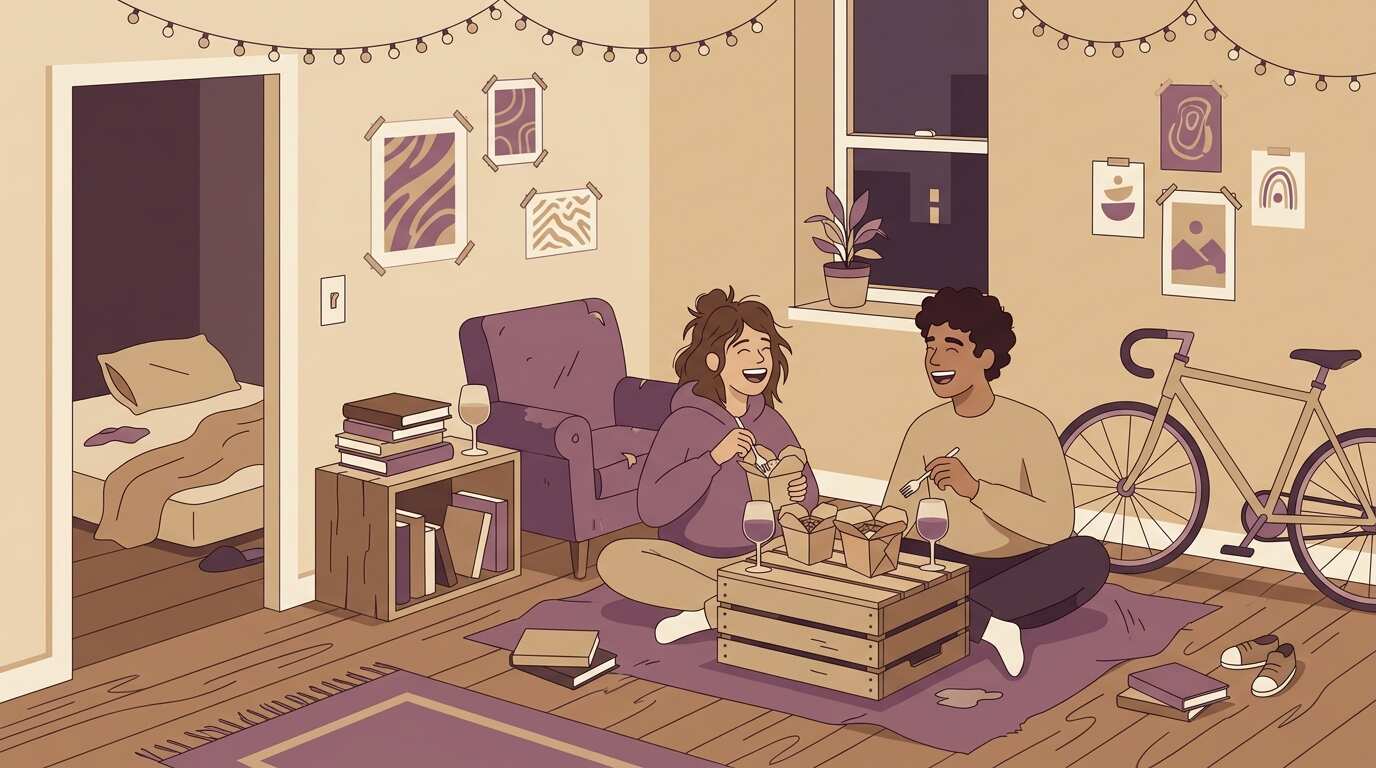
Your 20s are when you learn how to be in a relationship. Here's what the research says about building the skills that matter.