
CommunicationDating
Having the "where is this going?" conversation
The 'where is this going' talk terrifies people, but ambiguity is worse. Here's how to ask for clarity without issuing an ultimatum.
12 min
165 articles on relationships.
The 'where is this going' talk terrifies people, but ambiguity is worse. Here's how to ask for clarity without issuing an ultimatum.

The pursuer-withdrawer cycle explains why 60% of couples fight the same way every time. Learn how to break the pattern.
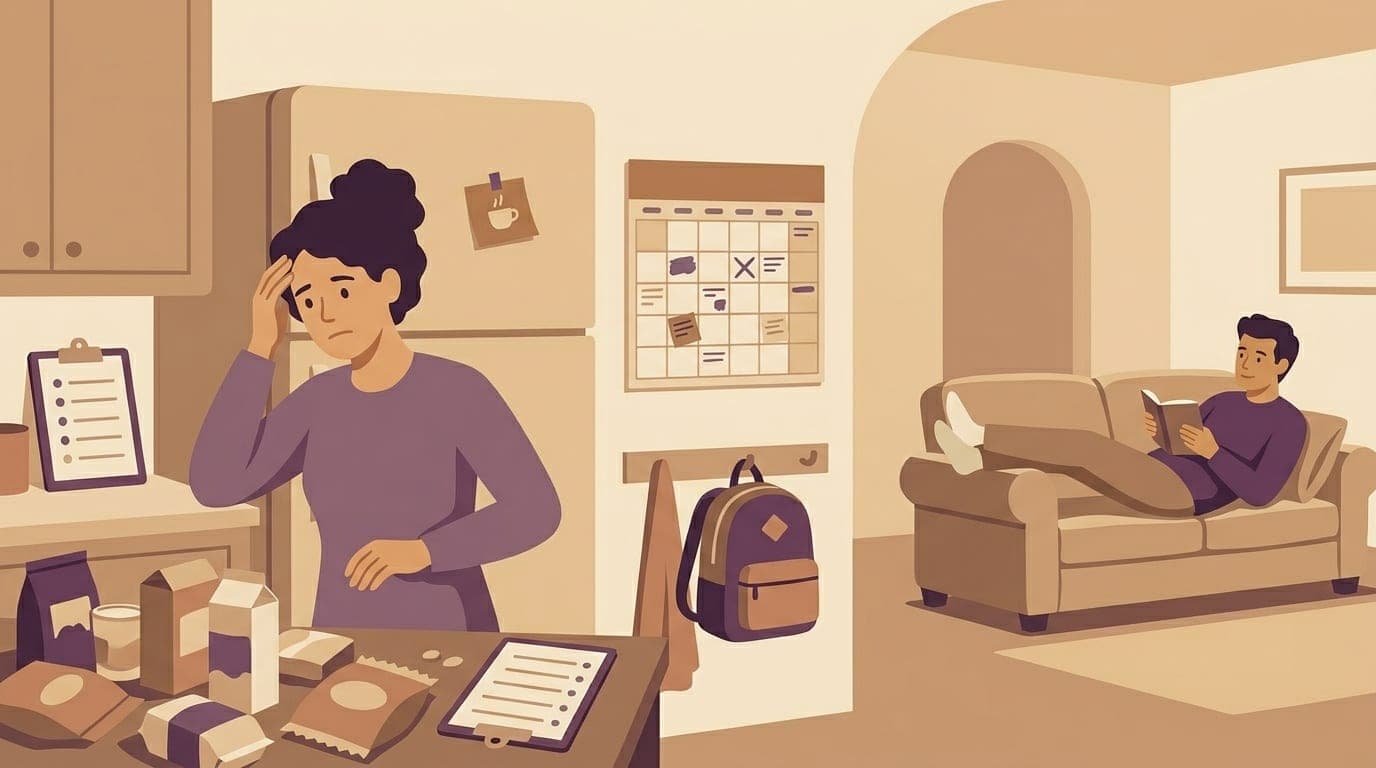
One partner tracks the dentist, the groceries, and the soap. The other helps when asked. This imbalance is called the mental load, and it's corrosive.

"I feel like you never listen" isn't an I-feel statement. Here's the actual structure, 20 real examples, and why your brain responds differently to them.
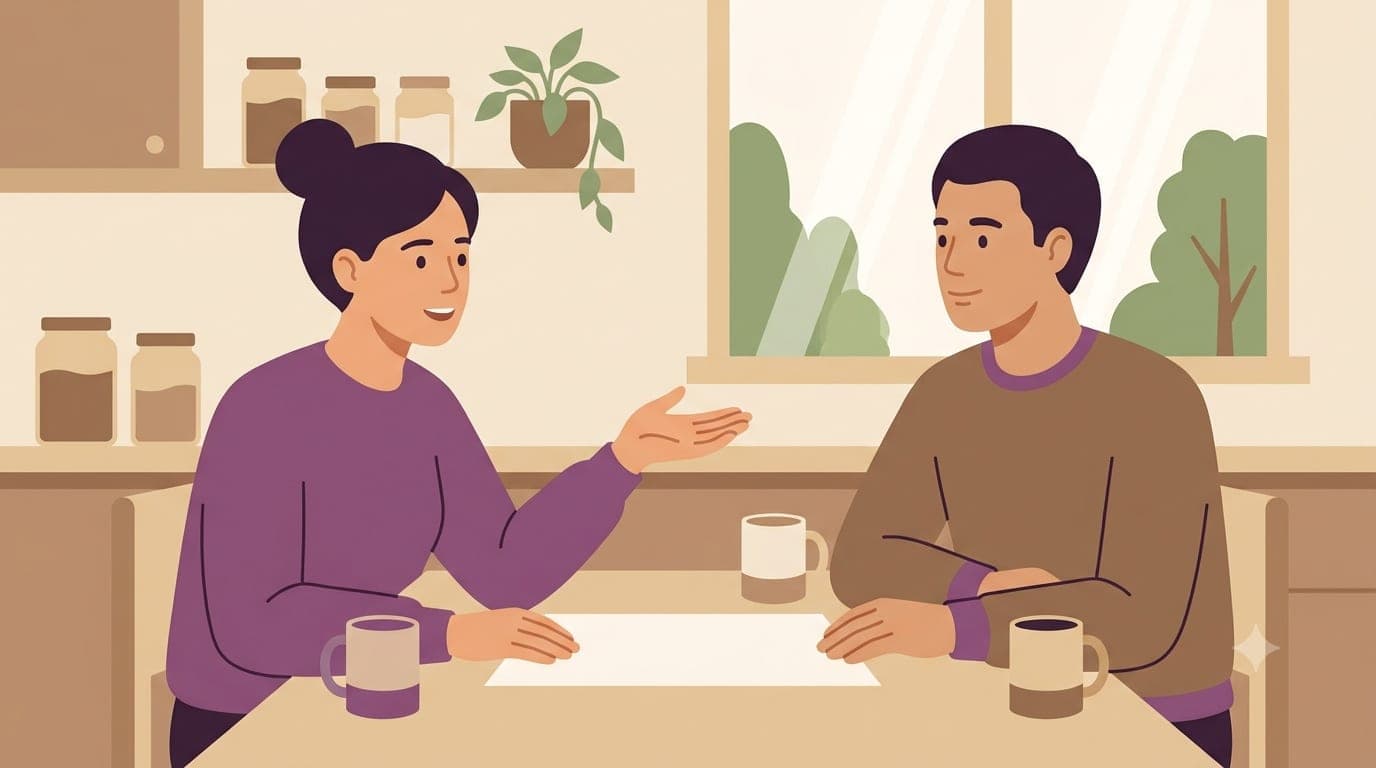
Criticism attacks character. Complaints address behavior. How to give your partner honest feedback without triggering defensiveness.

How texting strips context from conversations, escalates conflict, and what research says about when to put the phone down.

Sexual communication predicts satisfaction more than technique. Research-backed scripts for the conversations most couples avoid.
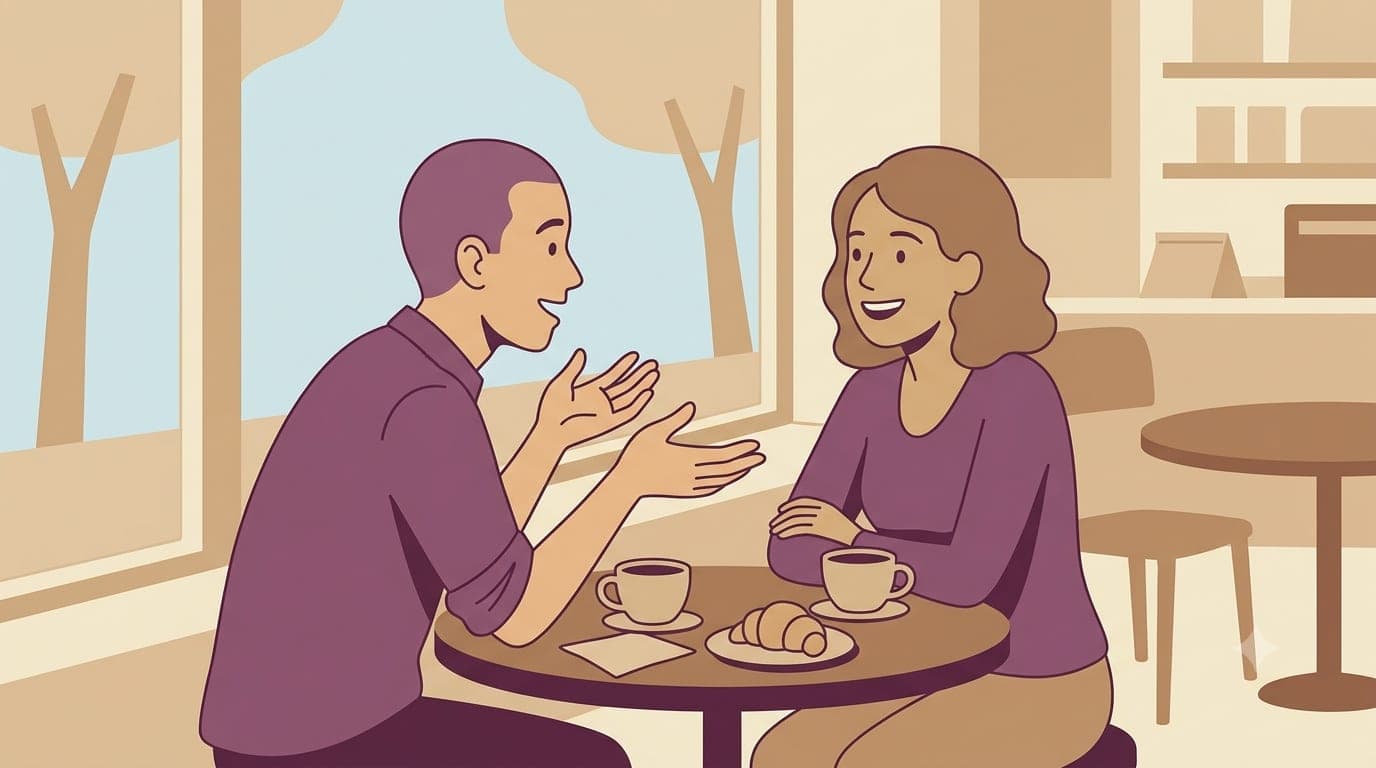
Harvard research shows follow-up questions make you more likable and deepen relationships. Here is how to use them well.
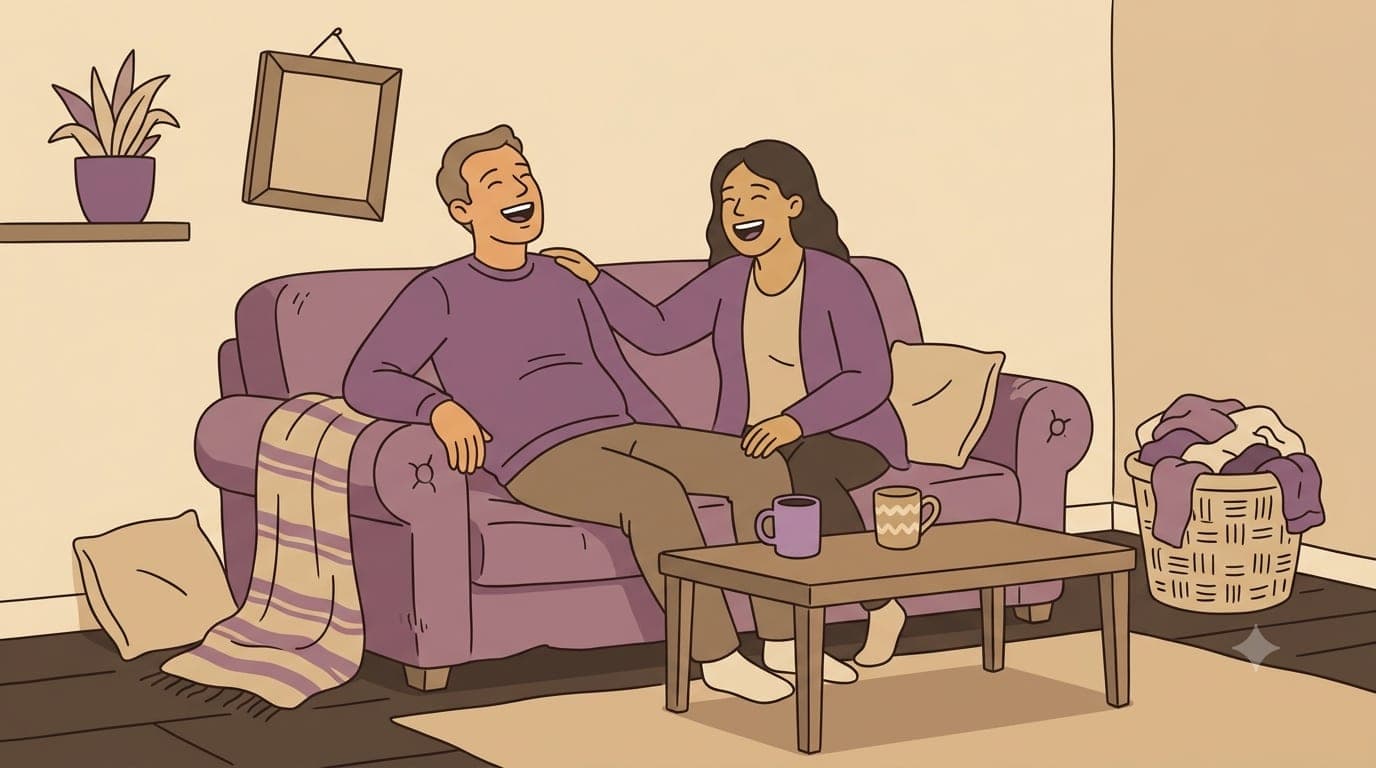
The perfect relationship doesn't exist. The belief that it should is measurably harmful. What the research says to aim for instead.
Research-backed techniques for telling your partner what you need without triggering defensiveness or escalation.

What active listening really means, why most people get it wrong, and specific techniques backed by decades of research.

Decades of research and thousands of hours of clinical observation reveal what thriving couples actually do. Most of it is boring.

Six evidence-backed relationship skills that matter more than love languages, and why none of them came up in school.

Not every relationship should be saved. How research distinguishes a rough patch from a fundamental problem.

Commitment isn't a feeling. It's a decision you make repeatedly, and the research explains why some people stay while others leave.