RelationshipsPsychology
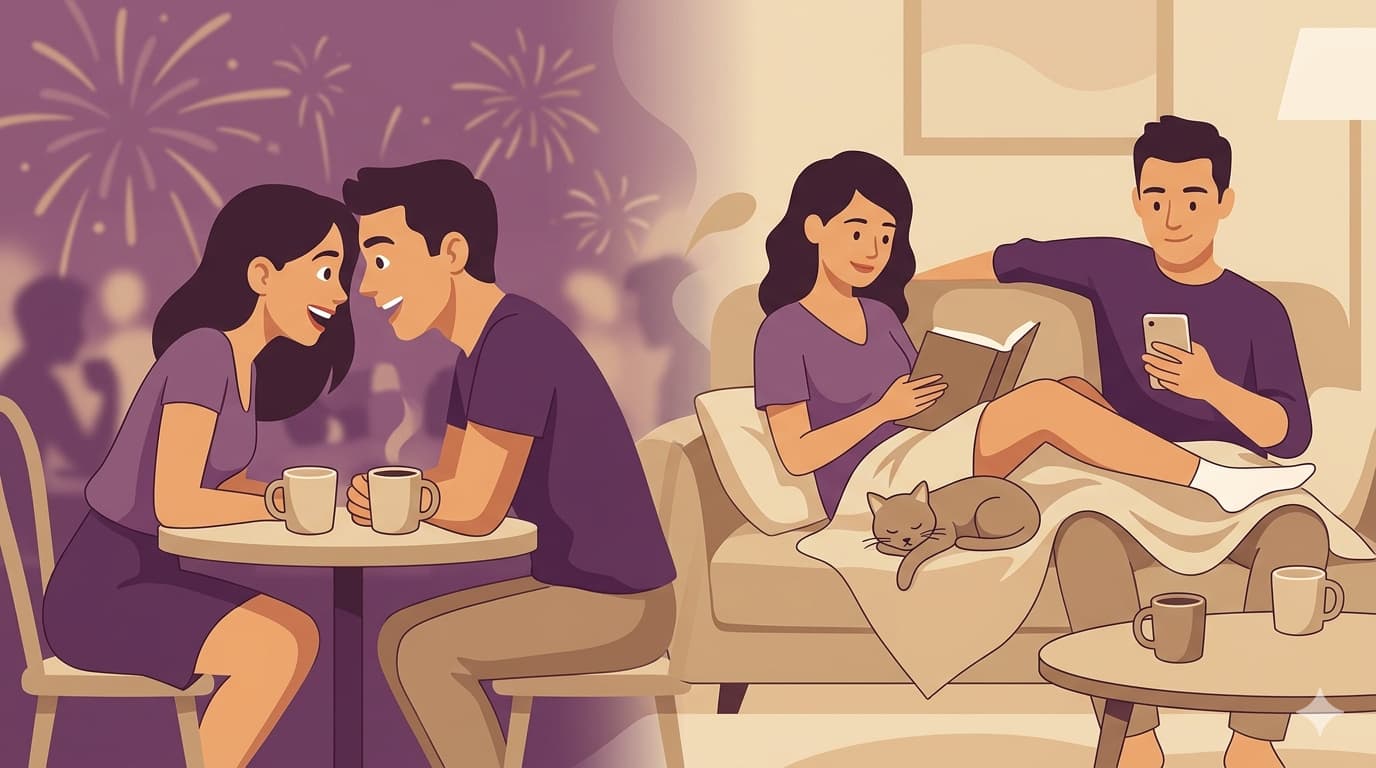
The difference between being in love and loving someone
Being 'in love' and loving someone are different brain states. Understanding the shift can save your relationship from a false alarm.
12 min
77 articles on psychology.
Being 'in love' and loving someone are different brain states. Understanding the shift can save your relationship from a false alarm.
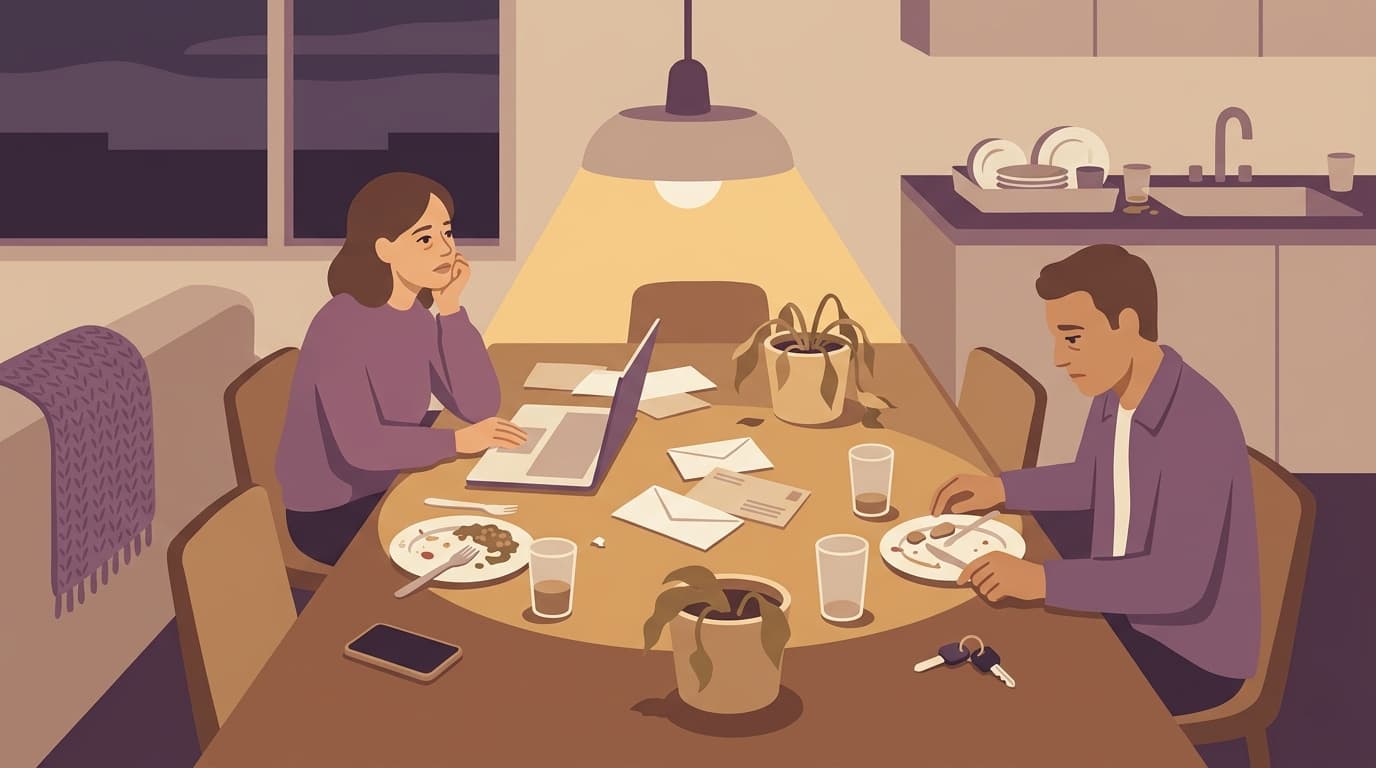
Relationships are hard because they're supposed to be. Here's the science behind why difficulty is a feature, not a bug.
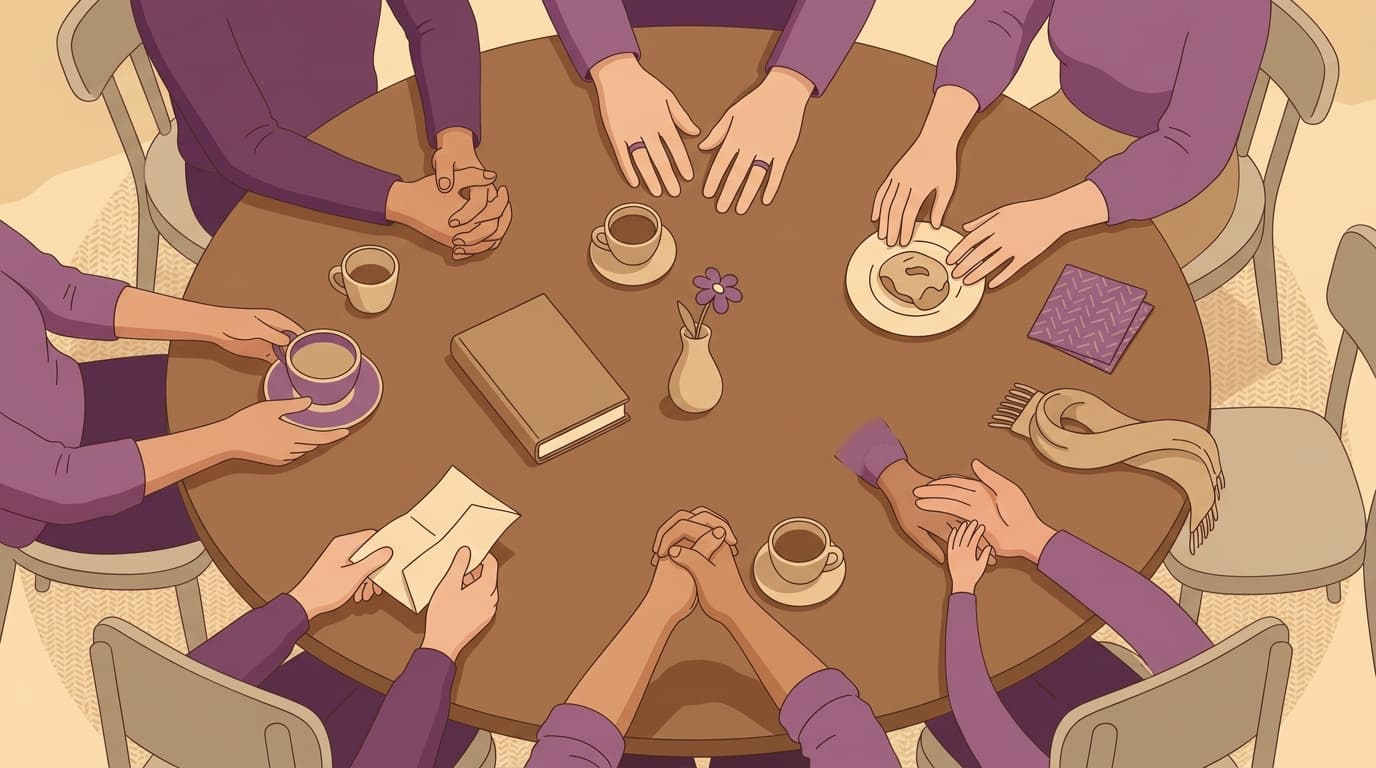
Love isn't one thing. From Sternberg's triangular theory to ancient Greek categories, here are the types of love and which ones actually last.
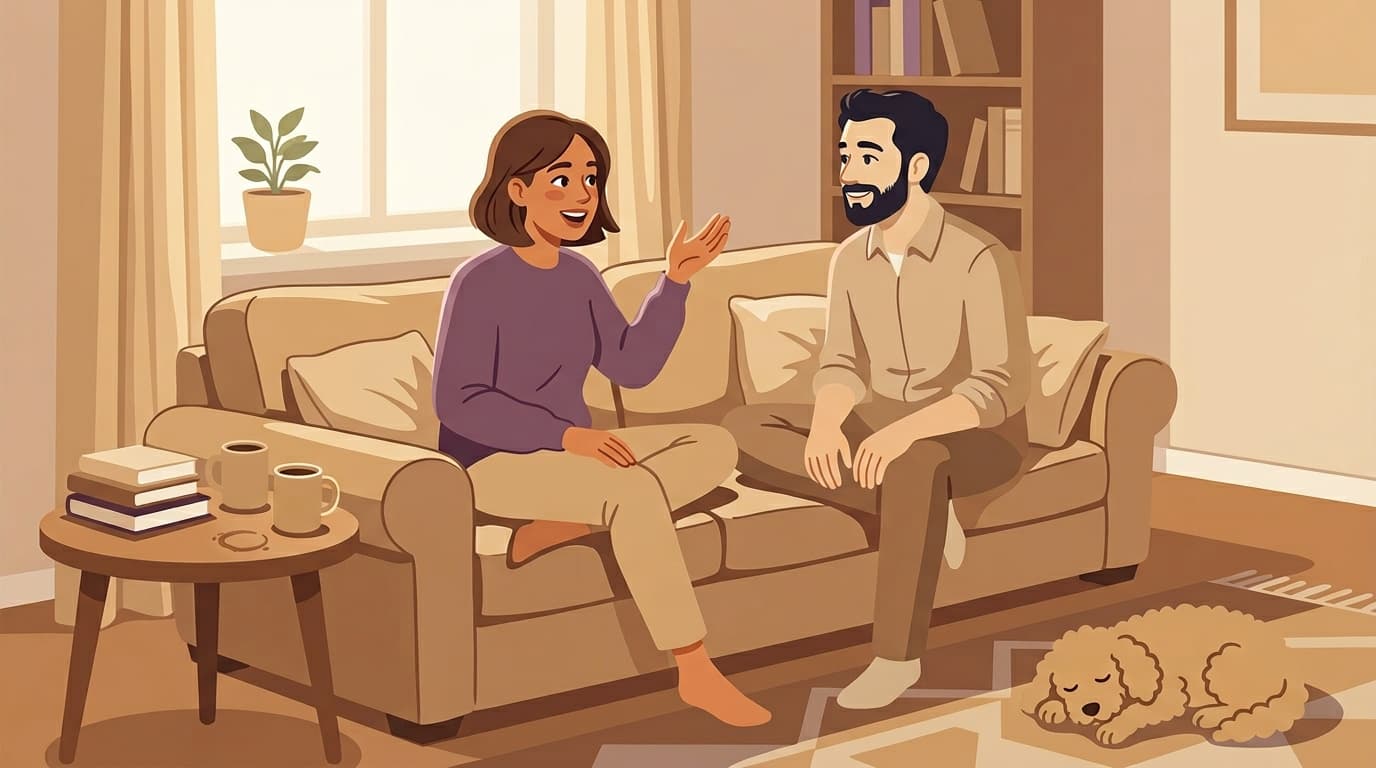
Healthy relationships aren't conflict-free. Here are 15 research-backed signs that distinguish thriving couples from merely comfortable ones.
Losing yourself in a relationship is enmeshment, not love. How to stay close without disappearing.
ADHD doesn't just affect focus. It reshapes relationship dynamics in ways both partners need to understand to stop the blame cycle.
Much of what we believe about relationships is based on intuition, not evidence. Here's what longitudinal research actually shows.
Gratitude in relationships goes far beyond politeness. Research shows it's a relationship maintenance mechanism, when practiced right.
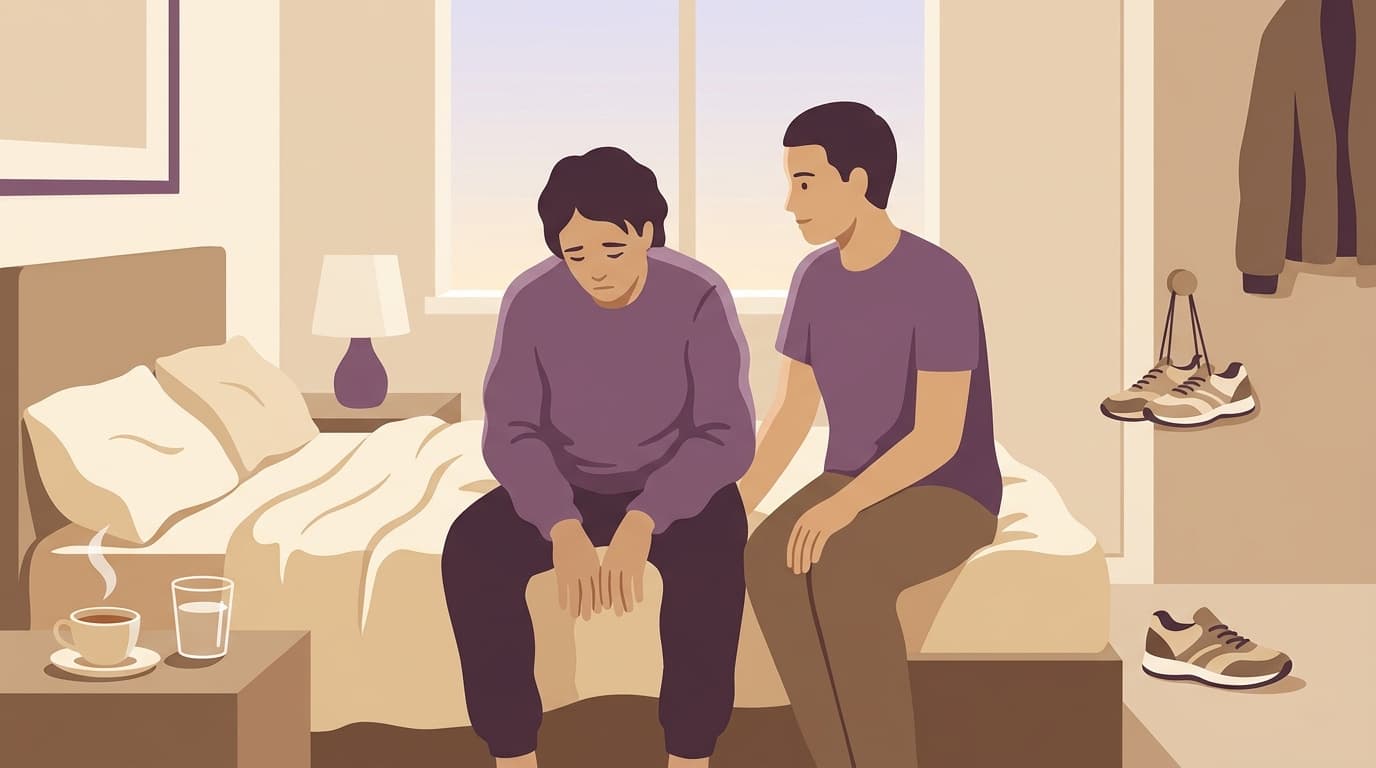
Supporting a partner with anxiety or depression is different from fixing them. Here's how to help without burning out.
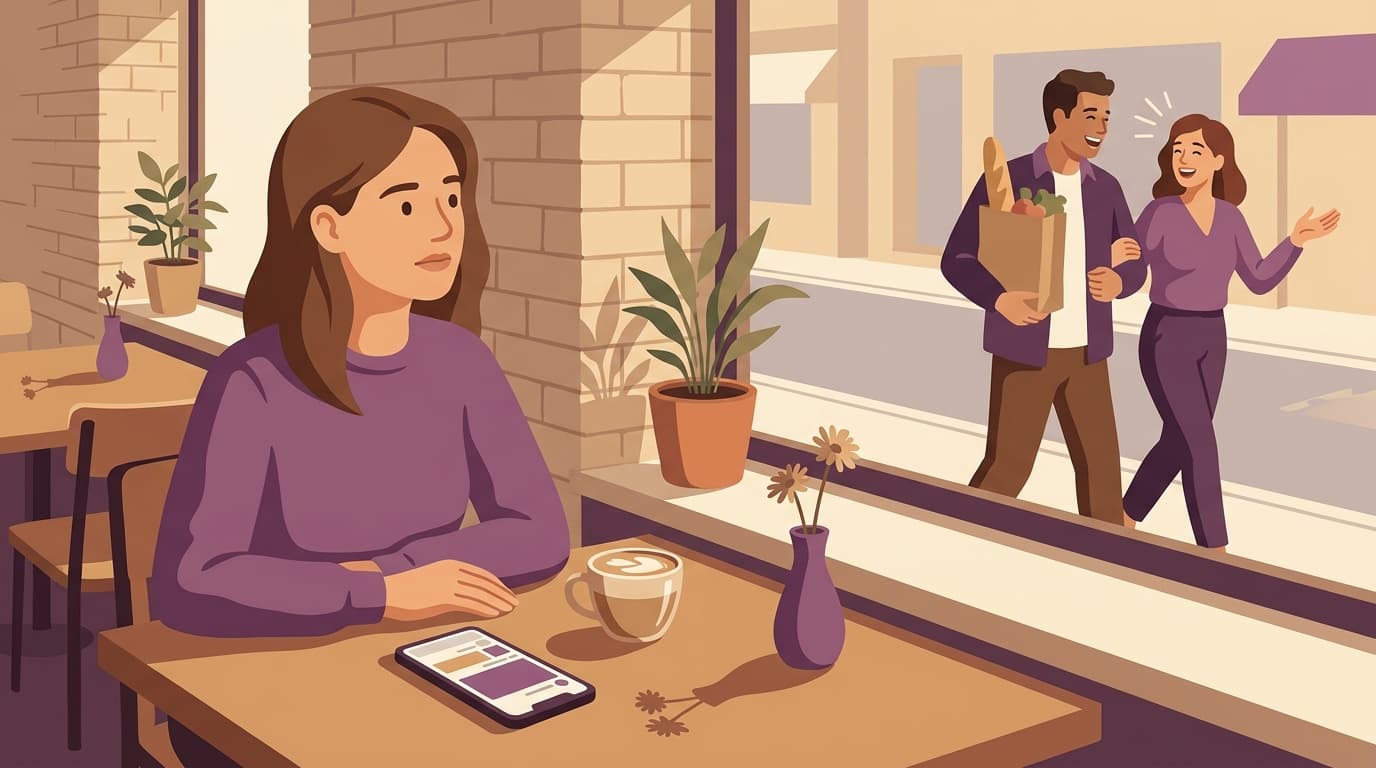
Not everything uncomfortable is a red flag. Here's how to tell the difference between real warning signs and normal relationship friction.
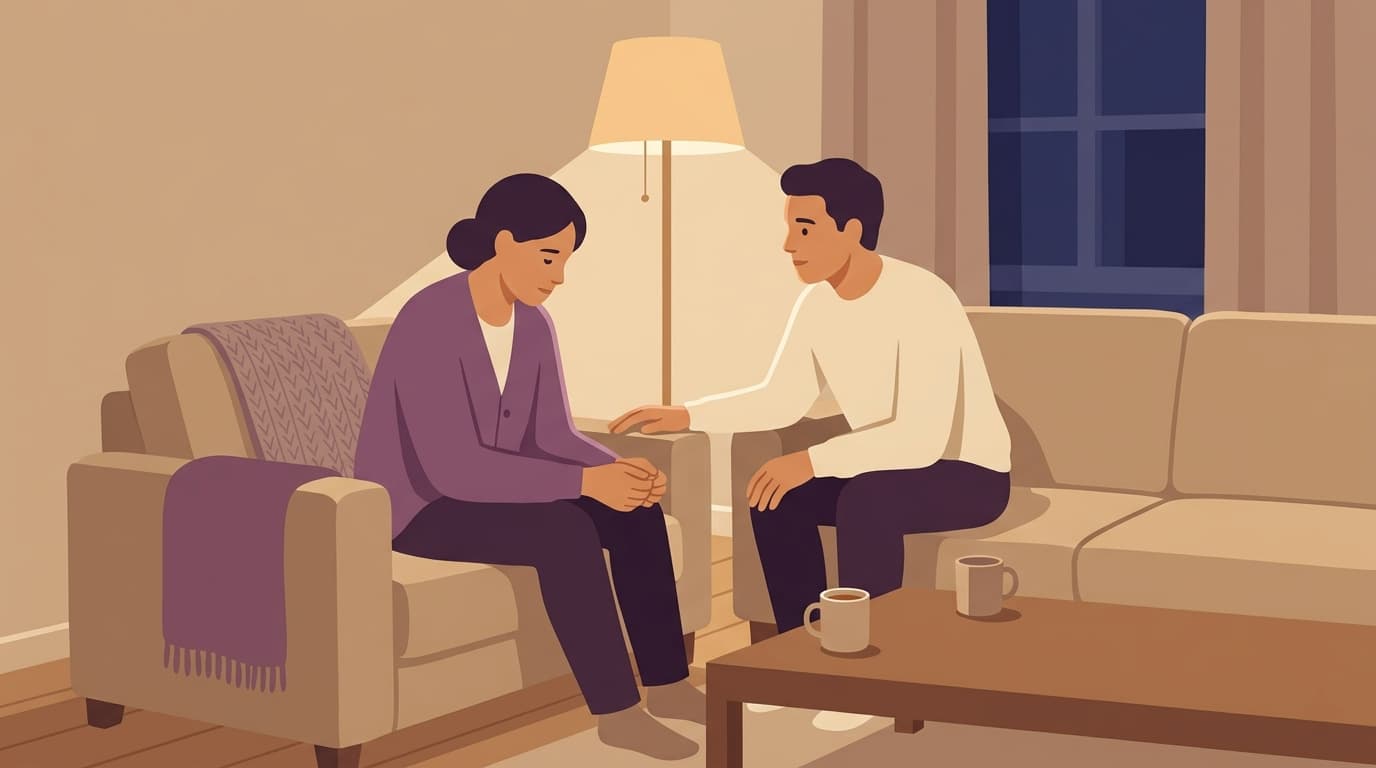
Why mental health is a relationship topic, how to bring it up, and how to build a mental health plan as a couple.
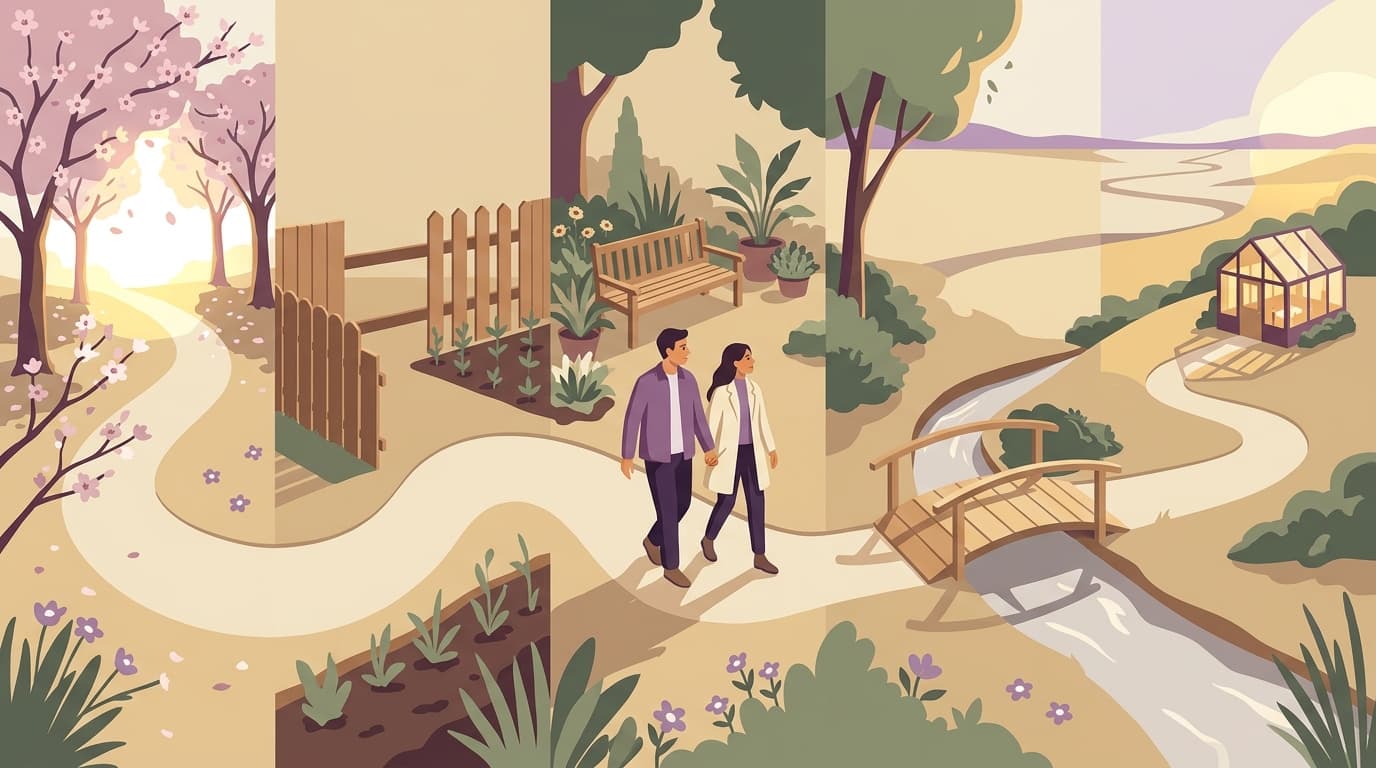
Every relationship moves through predictable stages, but most couples don't know what each stage requires. Here's the research-backed breakdown.
Emotional safety isn't about avoiding conflict. It's the invisible foundation that determines whether your relationship can go deep.
Trust isn't rebuilt by promises. It's rebuilt by changed behavior over time. Here's what the research says about the process.
Couples therapy isn't a last resort. When to go, what the first session looks like, and how to find a therapist who actually fits.