DatingRelationships
Dating again after divorce
There's no perfect timeline for dating after divorce. But there is a difference between being ready and just being lonely.
12 min
77 articles on psychology.
There's no perfect timeline for dating after divorce. But there is a difference between being ready and just being lonely.

35 questions to ask your partner about their childhood, from happy memories to family dynamics. Plus tips on how to listen well when the answers get heavy.

A balanced look at attachment theory: where the pop psychology version misleads, what the science actually supports, and how to use it without being defined by it.
Why unresolved conflicts keep looping in your head, and how to close the open loops that create resentment.

How external stress spills into your relationship, what cortisol does to communication, and how dyadic coping changes the equation.
The neurochemical shift from early passion to long-term bonding, and why some couples keep the spark while most lose it.

What limerence actually is, how it differs from love, why your brain acts like it has OCD, and what happens when it wears off.

What 75 years of research says about why we're attracted to the people we're attracted to, from proximity to reciprocity.
Why your childhood patterns follow you into romance, which ones cause the most damage, and what to do about it.

How Polyvagal Theory explains your reactions during conflict, and why co-regulation with your partner changes everything.
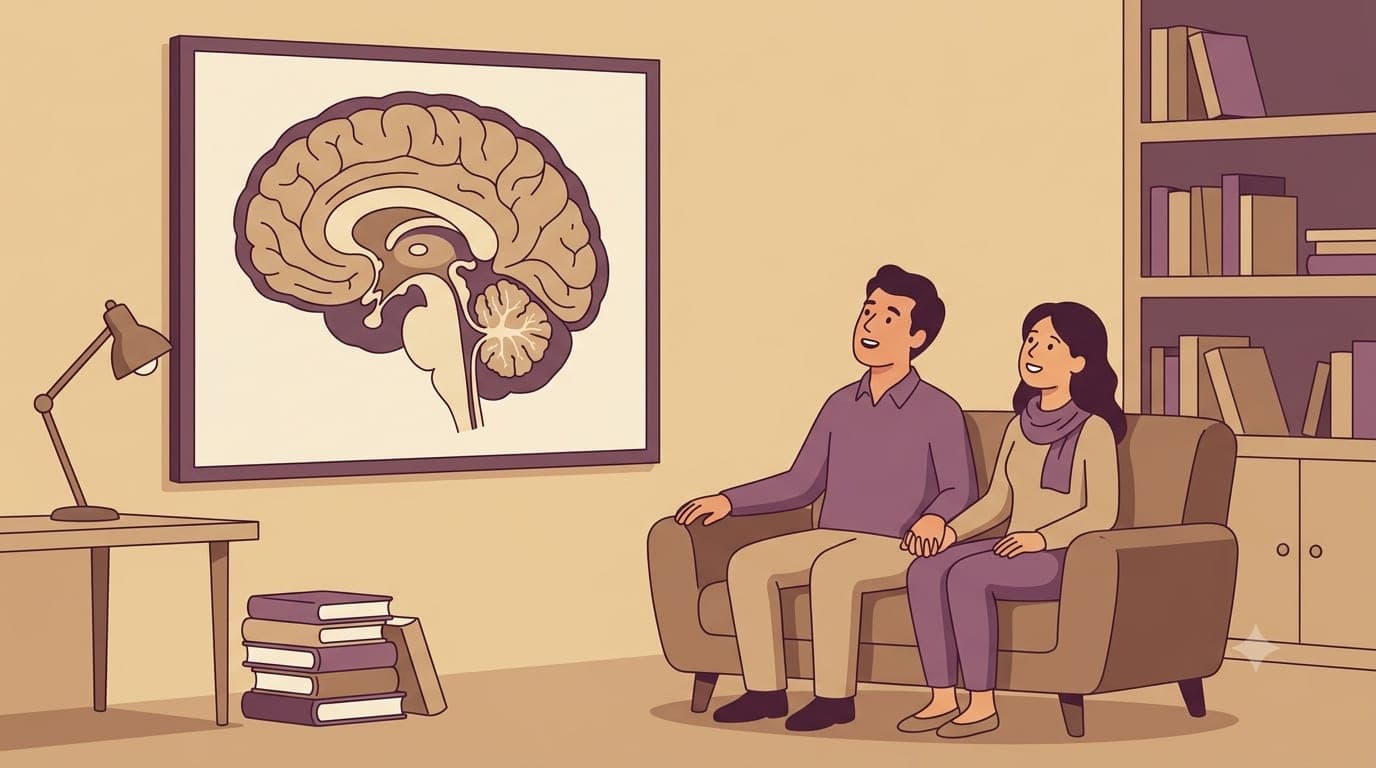
What fMRI scans, brain chemistry, and prairie voles reveal about how love works in your brain from infatuation through long-term bonding.

Codependency and interdependence can look similar on the surface. How to tell which one you're in and how to shift if needed.

Not every disagreement has a middle ground. Here's how to tell the difference between flexibility and self-abandonment.
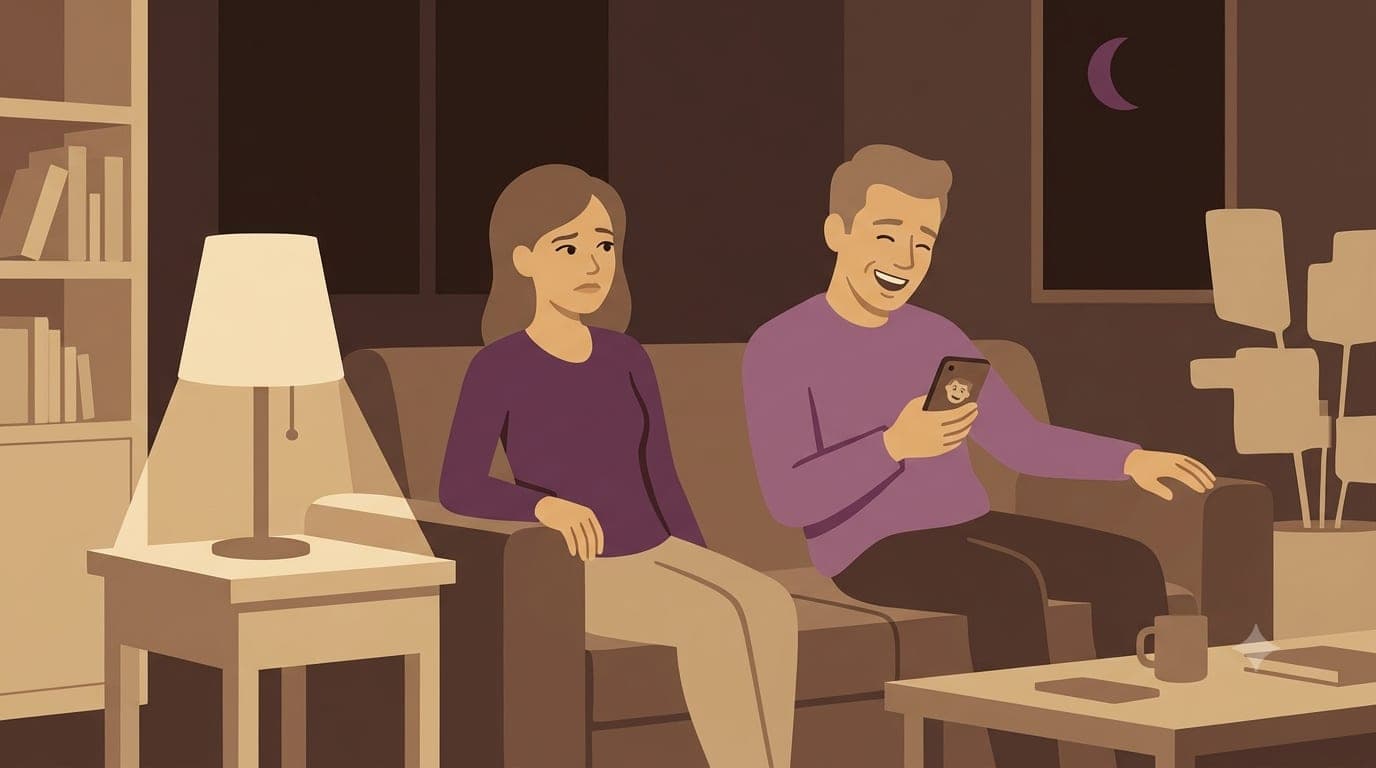
Jealousy isn't a character flaw. It's a signal. How to decode it, manage it, and know when it's crossed into something else.
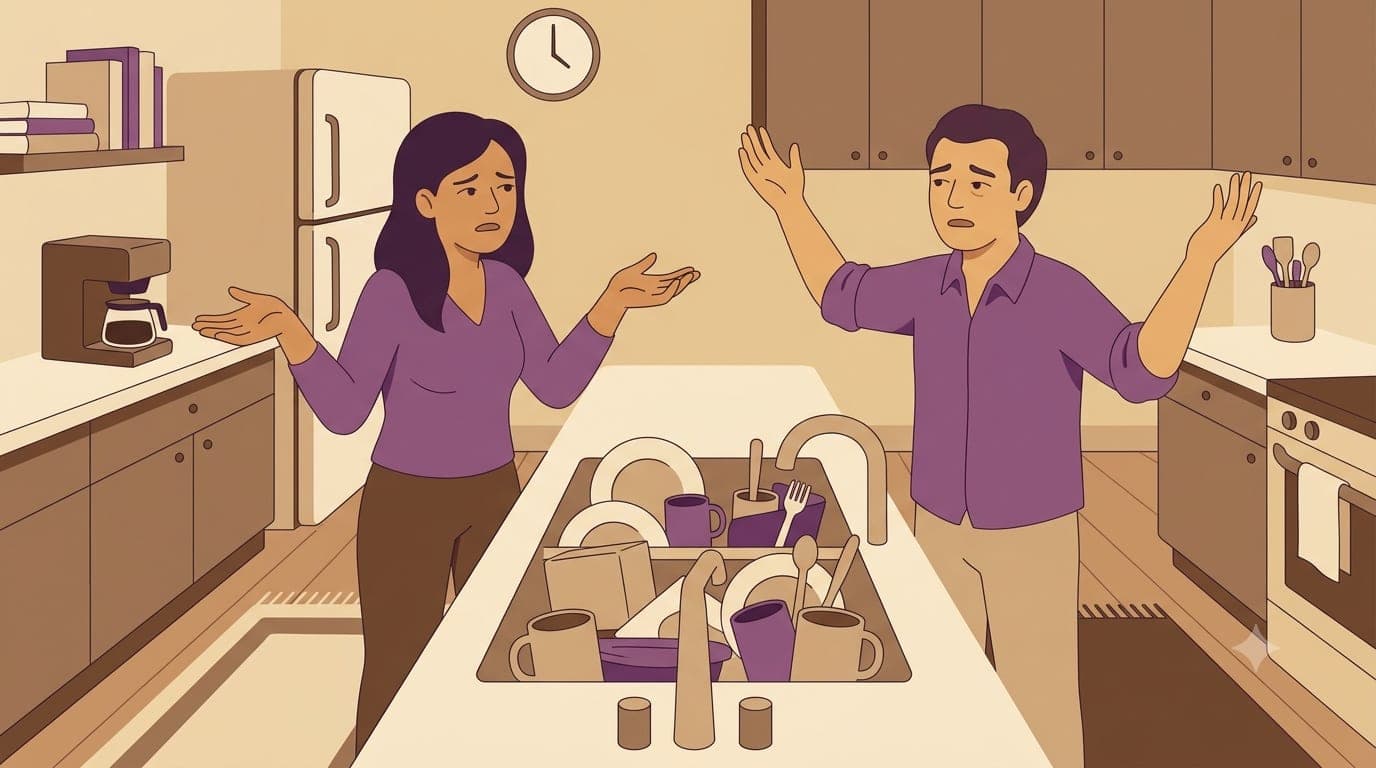
69% of couple conflicts are perpetual. Here's why the dishes fight is never about the dishes, and how to stop the loop.