RelationshipsPsychology
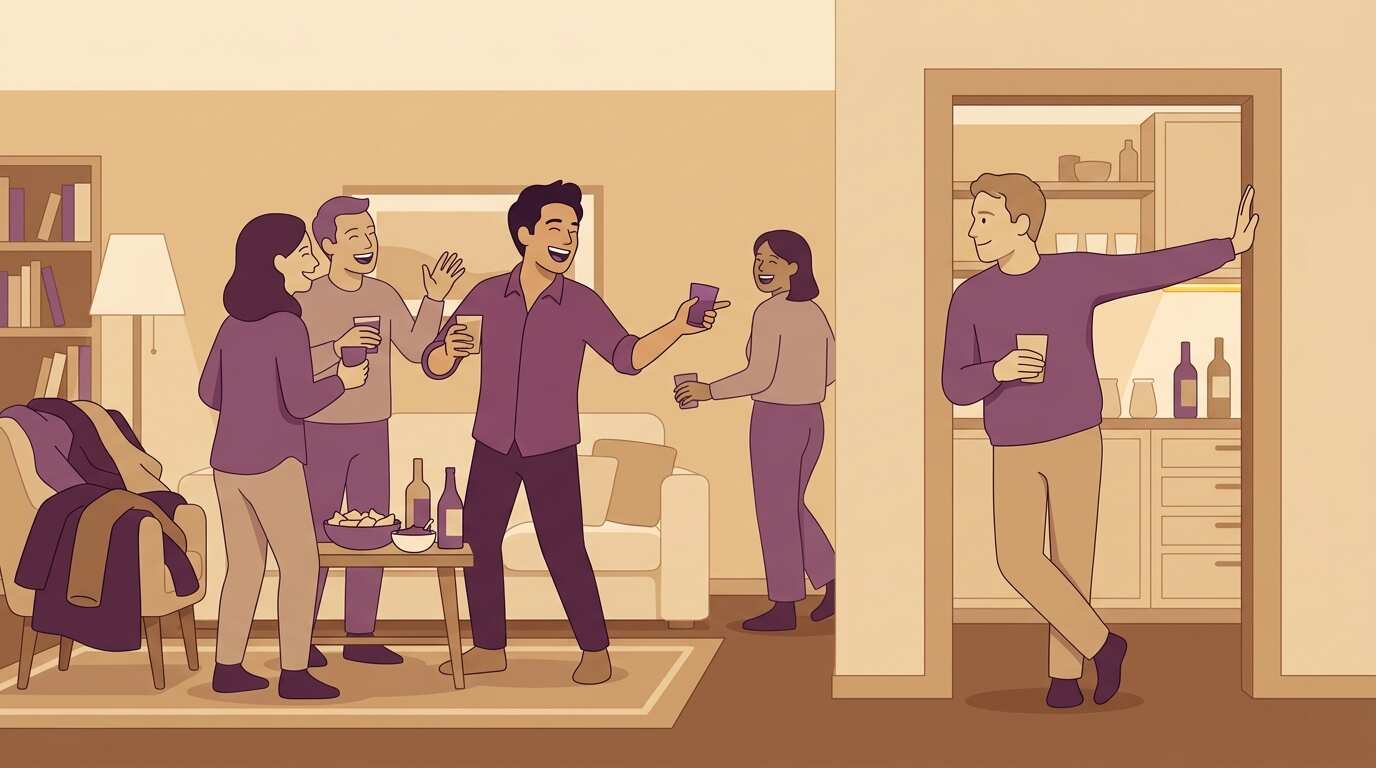
Introvert-extrovert couples: making opposite energies work
Introvert-extrovert couples face real friction around energy and socializing. What the science says about making it work.
12 min
Research, insights, and ideas for couples who want to go deeper.
Introvert-extrovert couples face real friction around energy and socializing. What the science says about making it work.
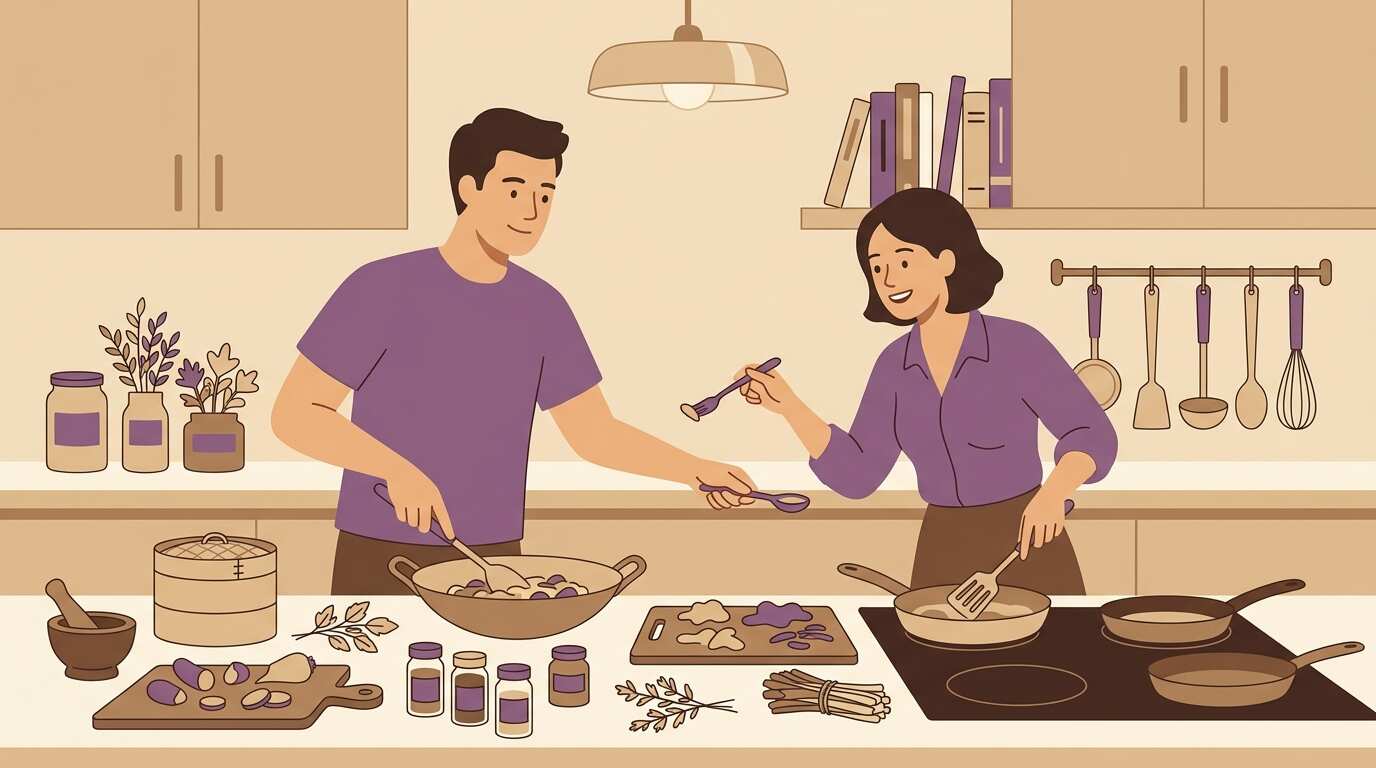
Intercultural couples face friction points most same-culture couples never think about. Here are the conversations that matter most.
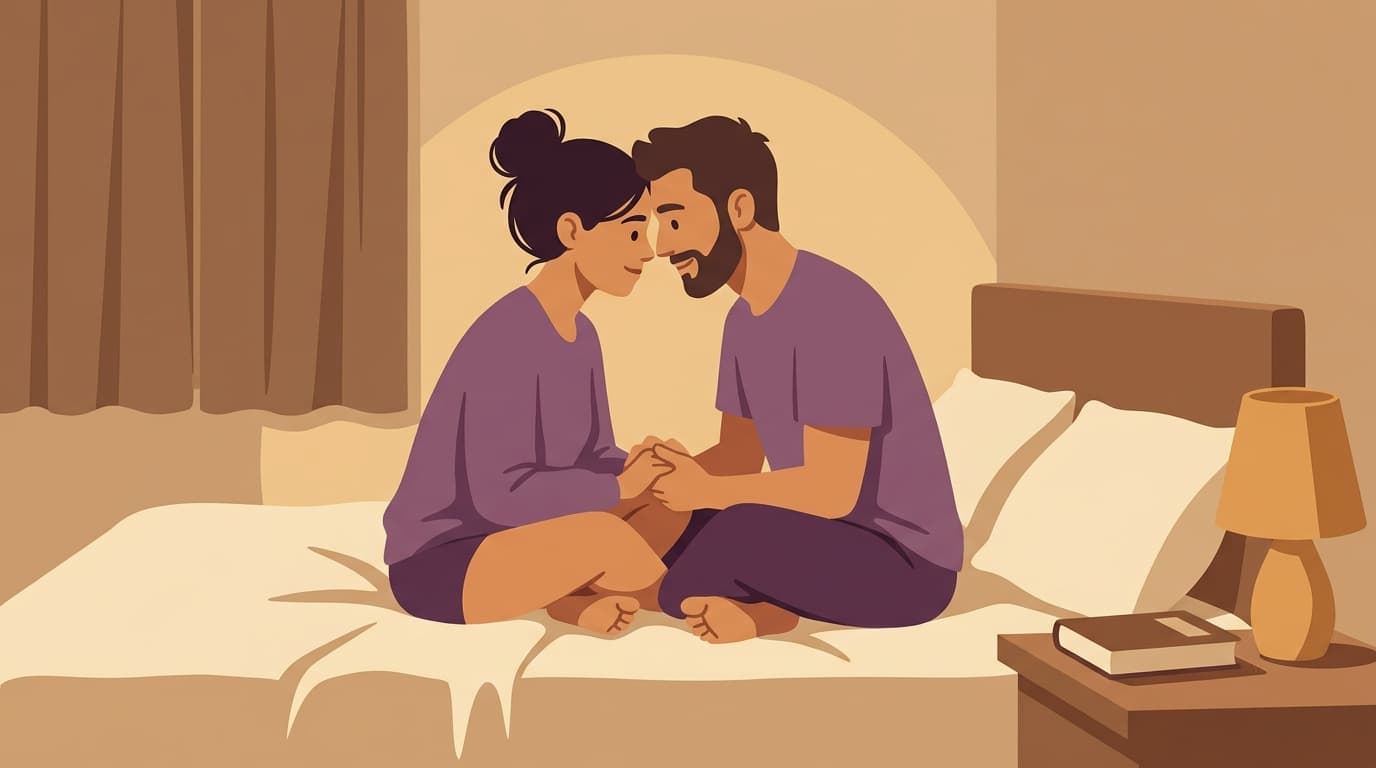
107 intimate questions to ask your partner, ordered from emotional closeness to physical intimacy so you can pick the comfort level that fits tonight.
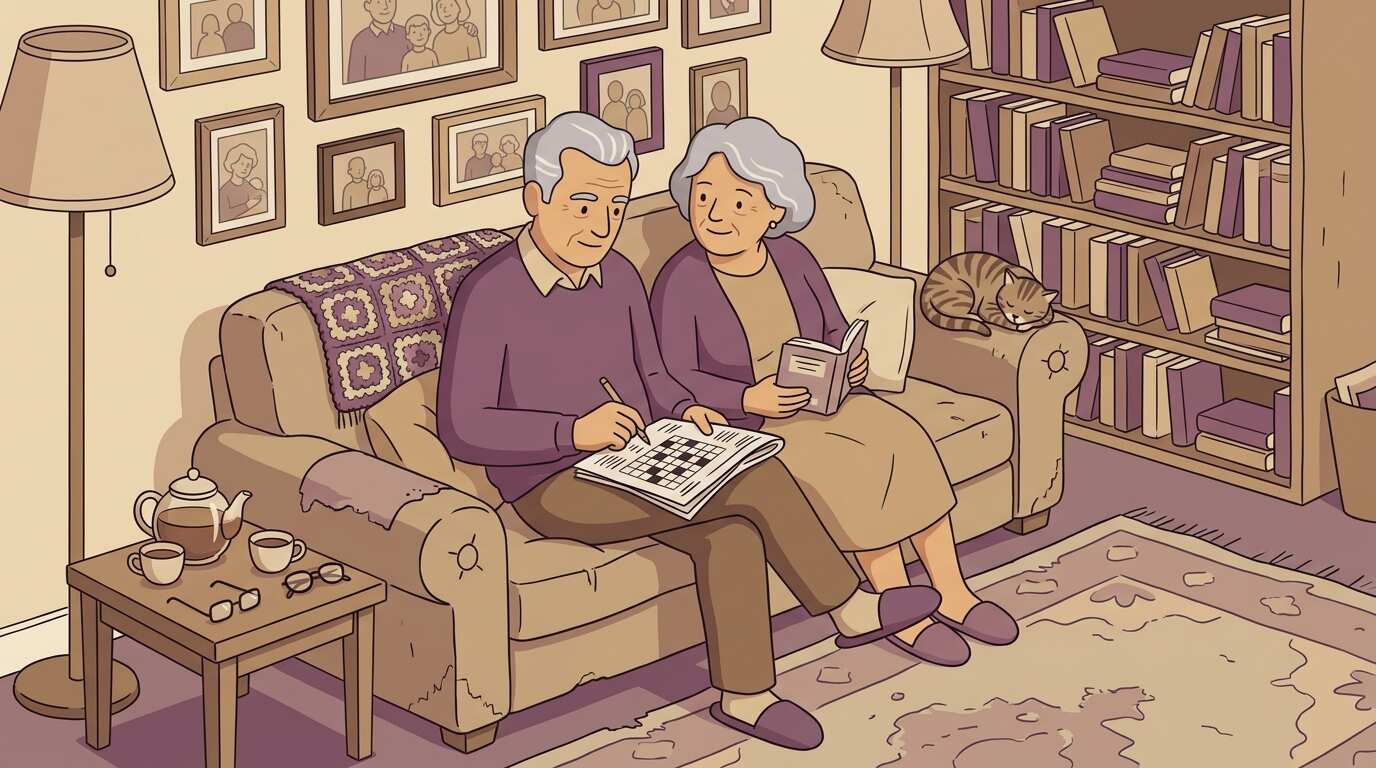
Lessons from couples who've stayed together 20+ years, backed by research from Pillemer, Wallerstein, and Gottman.

165 fun questions to ask your partner, grouped by mood: everyday fun, hypotheticals, favorites and firsts, travel, about us, and the slightly ridiculous.
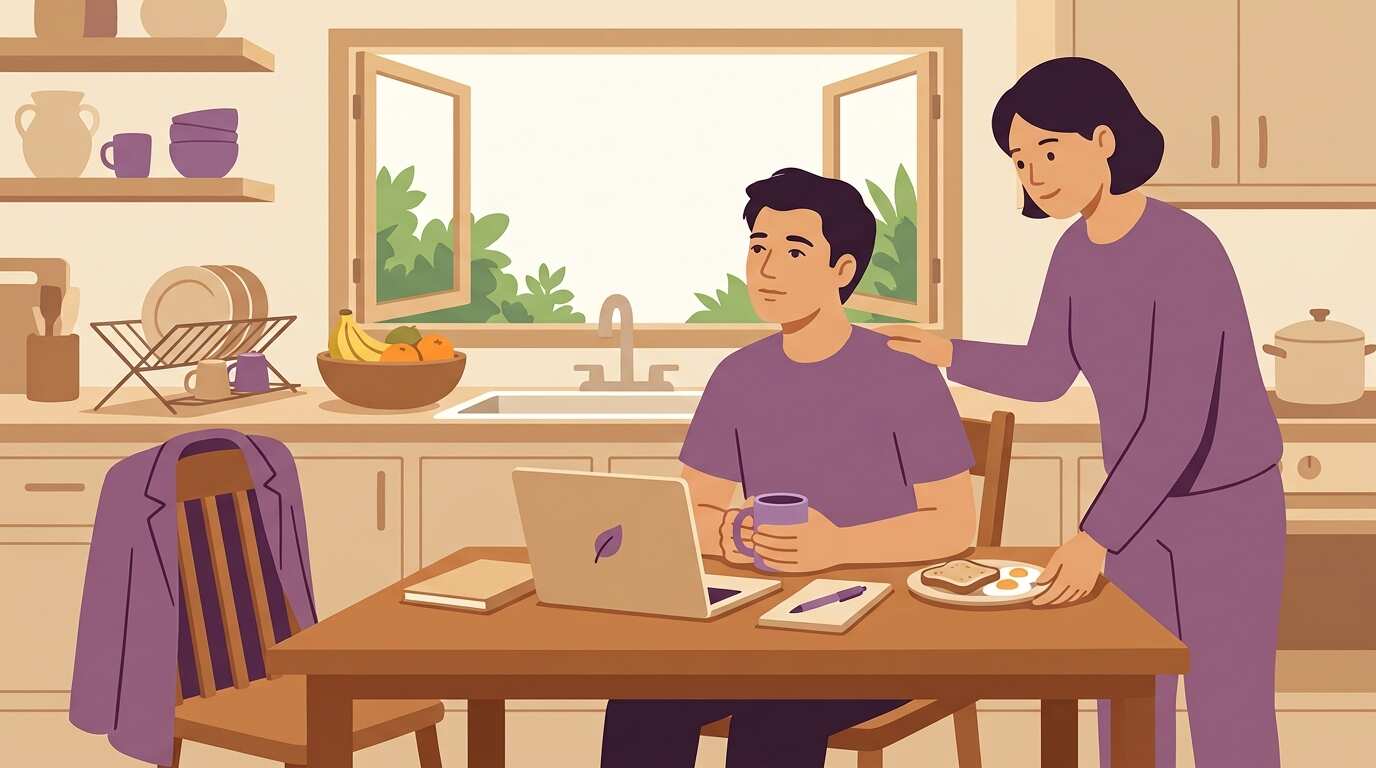
Job loss is an identity crisis as much as a financial one. How to support your partner without fixing, pressuring, or creating a power imbalance.
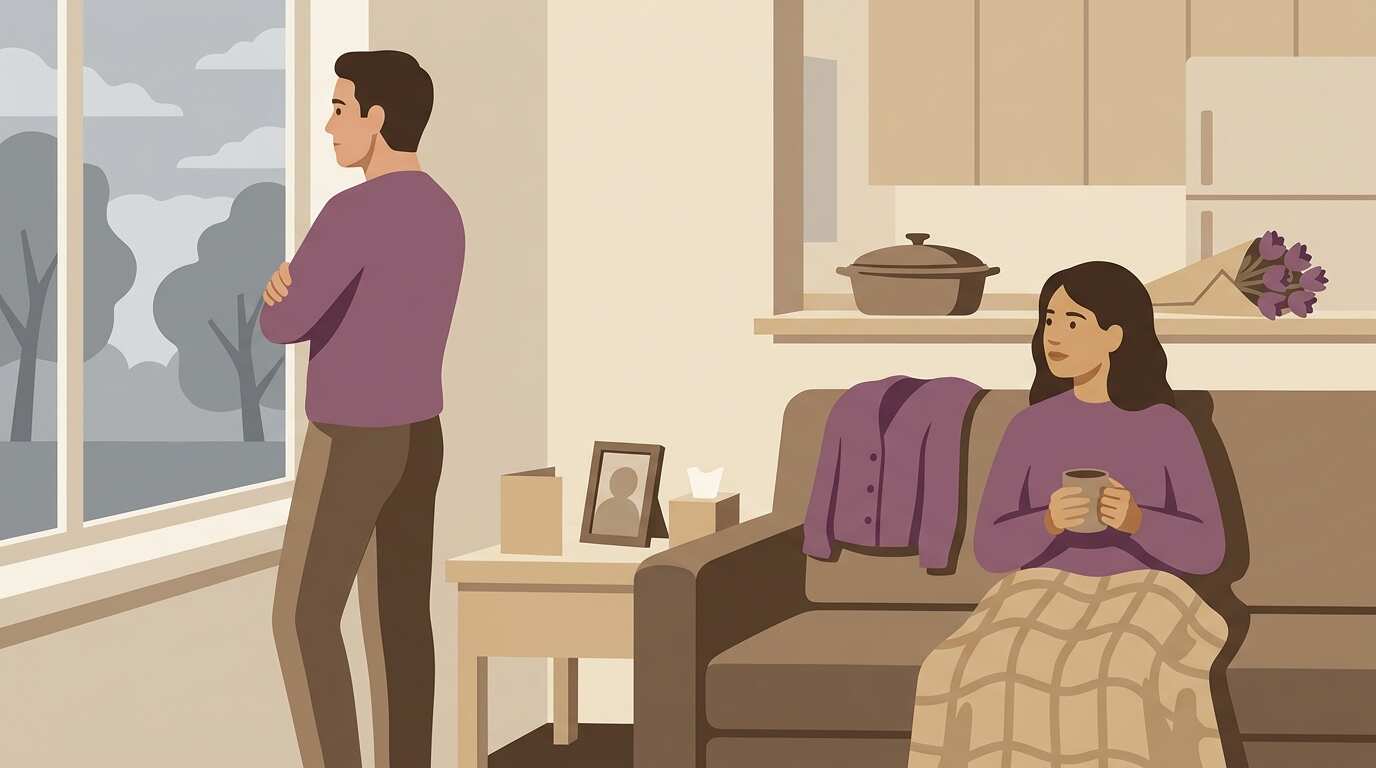
Partners often grieve differently and asynchronously. How to support each other through loss without losing your connection.
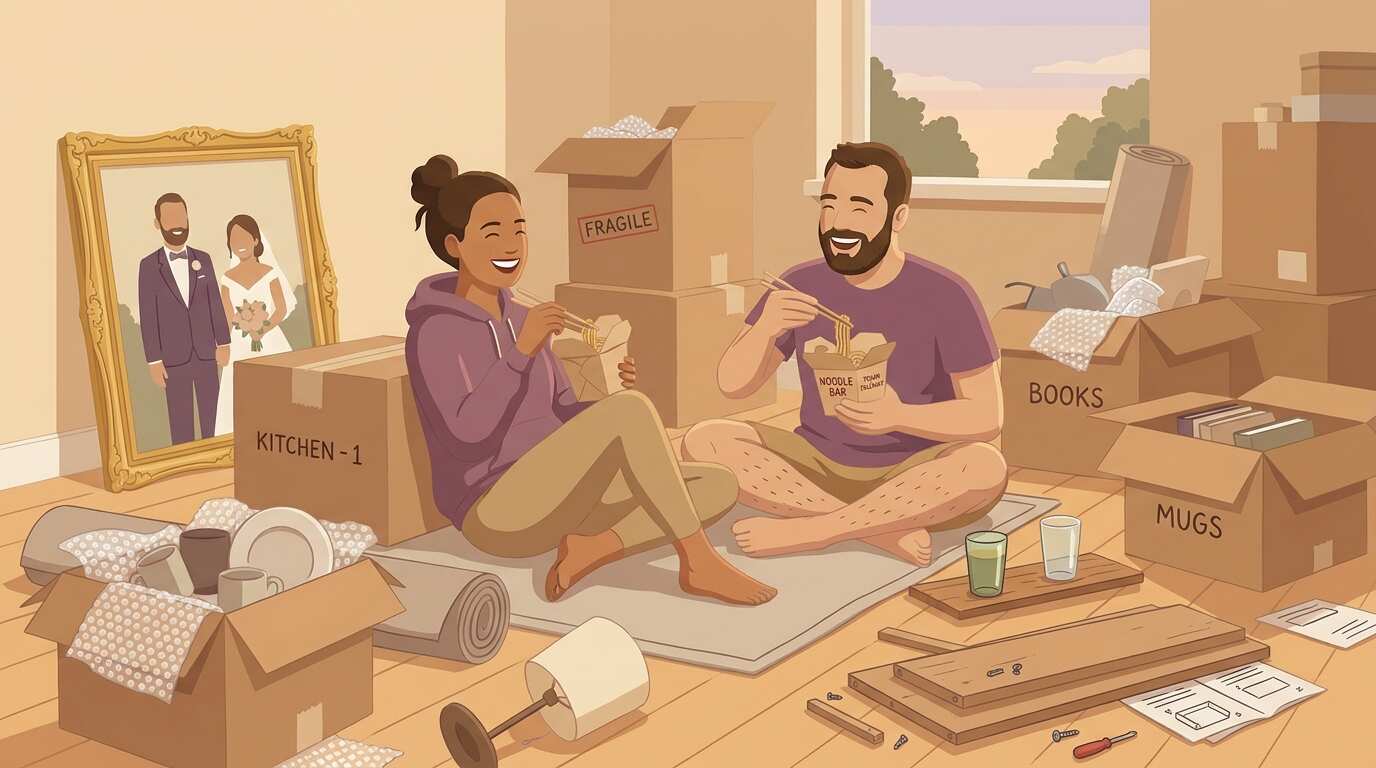
The first year of marriage is harder than the wedding industry admits. Research on newlywed disillusionment and what year-one couples can do about it.
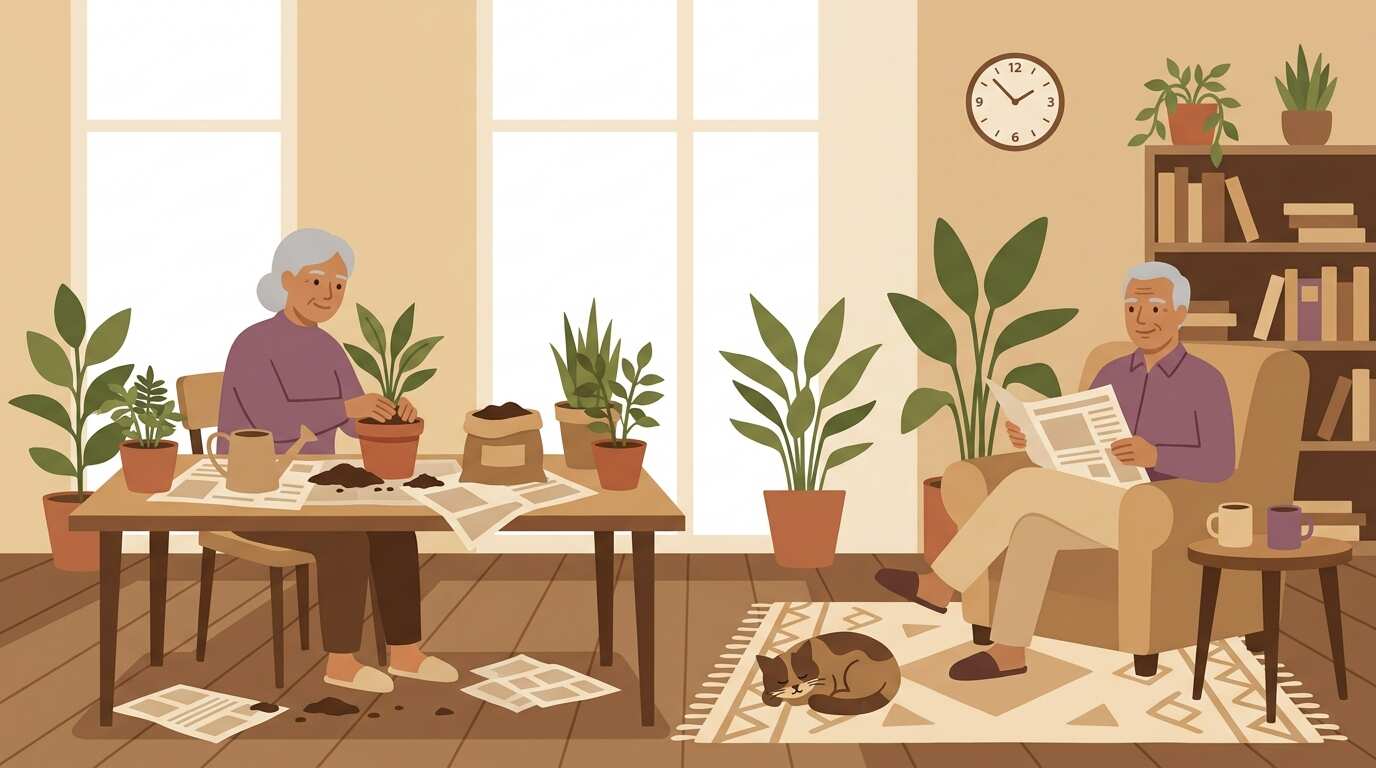
Retirement changes everything about your relationship dynamic. Research on what goes wrong, what goes right, and how to plan together.
Your 40s bring a relationship shift from building to evaluating. Here's what the research says about midlife love, authenticity, and the second act.
Your 30s pile career, kids, money, and drift into one decade. Here's how to keep your relationship from becoming collateral damage.
Your 20s are when you learn how to be in a relationship. Here's what the research says about building the skills that matter.
When the kids leave, some couples fall apart and others come alive. The difference isn't luck. It's what happened in the years before.
There's no perfect timeline for dating after divorce. But there is a difference between being ready and just being lonely.
Career changes are identity crises. Here's how to protect your relationship when one partner's entire sense of self is shifting.