RelationshipsPsychology
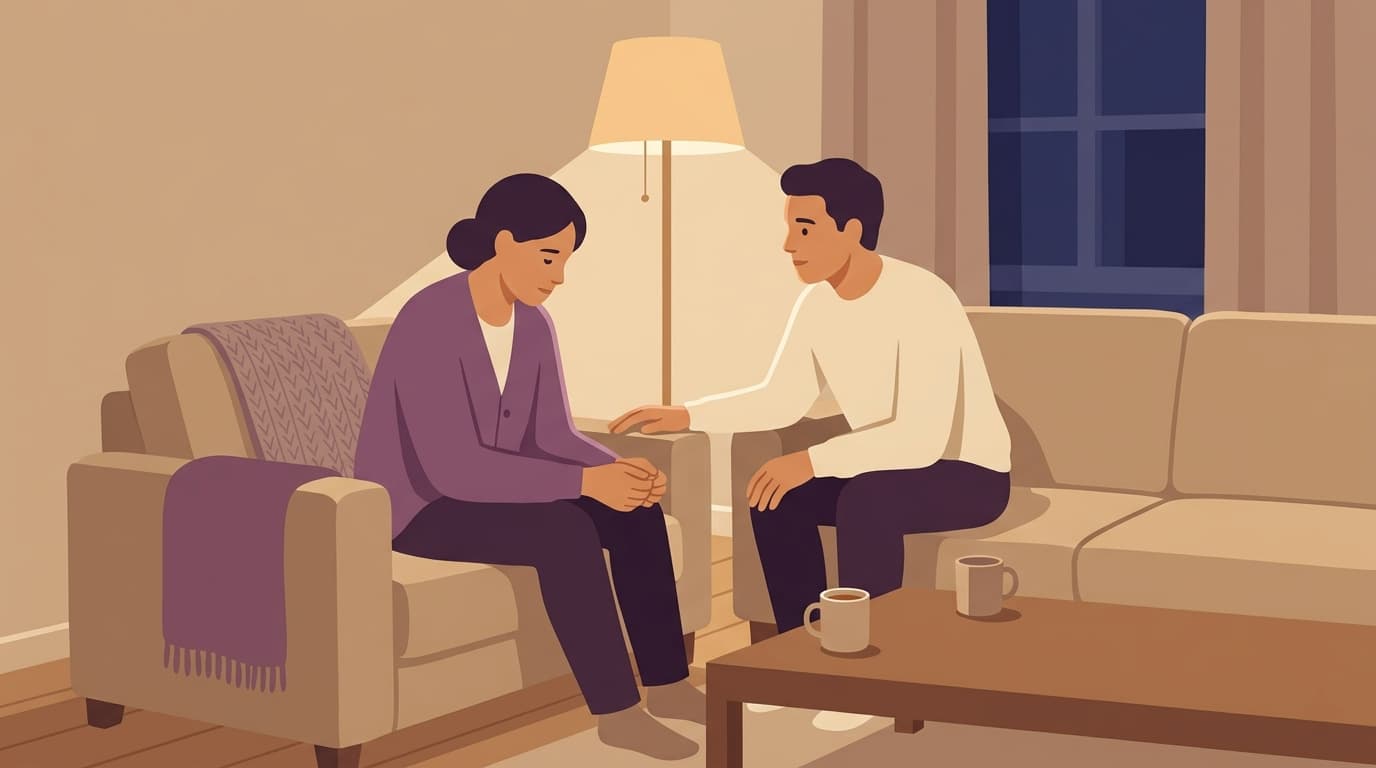
The mental health conversation every couple needs to have
Why mental health is a relationship topic, how to bring it up, and how to build a mental health plan as a couple.
14 min
Research, insights, and ideas for couples who want to go deeper.
Why mental health is a relationship topic, how to bring it up, and how to build a mental health plan as a couple.

Every relationship moves through predictable stages, but most couples don't know what each stage requires. Here's the research-backed breakdown.

Most relationship advice assumes a straight template. These questions cover what LGBTQ+ couples actually deal with: identity, chosen family, new rituals.
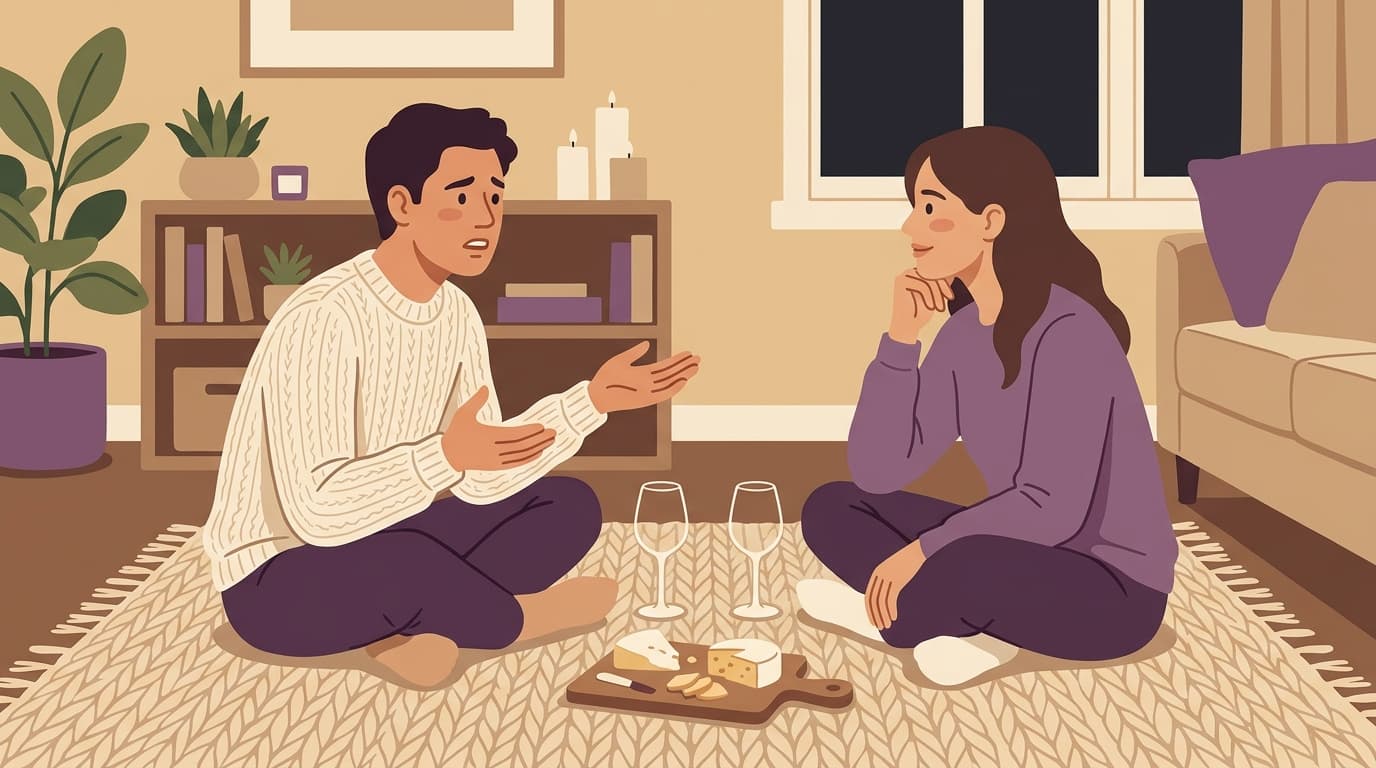
Emotional safety isn't about avoiding conflict. It's the invisible foundation that determines whether your relationship can go deep.

Trust isn't rebuilt by promises. It's rebuilt by changed behavior over time. Here's what the research says about the process.
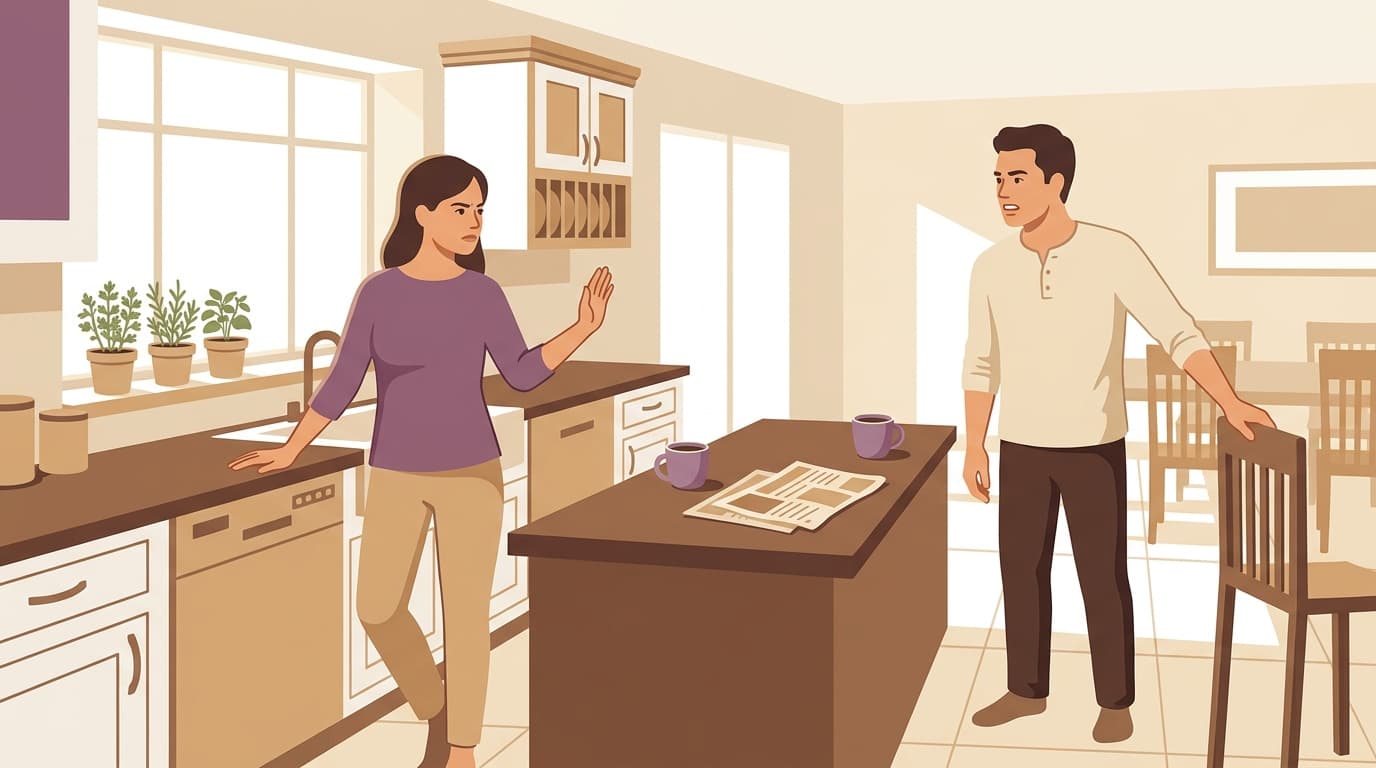
Conflict isn't the problem; how you fight is. Twelve research-backed rules for fighting fair, from soft startups to repair attempts.

Couples therapy isn't a last resort. When to go, what the first session looks like, and how to find a therapist who actually fits.

A synthesis of the major research findings on what makes relationships last, from the Harvard Study to Gottman's Love Lab.

Most apologies make things worse. What the research says about real repair attempts and why 'I'm sorry you feel that way' always fails.

The Gottman Method distills 40 years of couples research into practical tools. What the data actually says about what makes love last.

Everything research says about couple communication: listening, conflict, repair, attachment styles, and daily practices that work.

How you and your partner handle a shared grocery cart says a lot about how you communicate, compromise, and plan together. It's weirdly accurate.

20 replacements for the most overused question in relationships. Each one is designed to get a real answer instead of 'fine.'
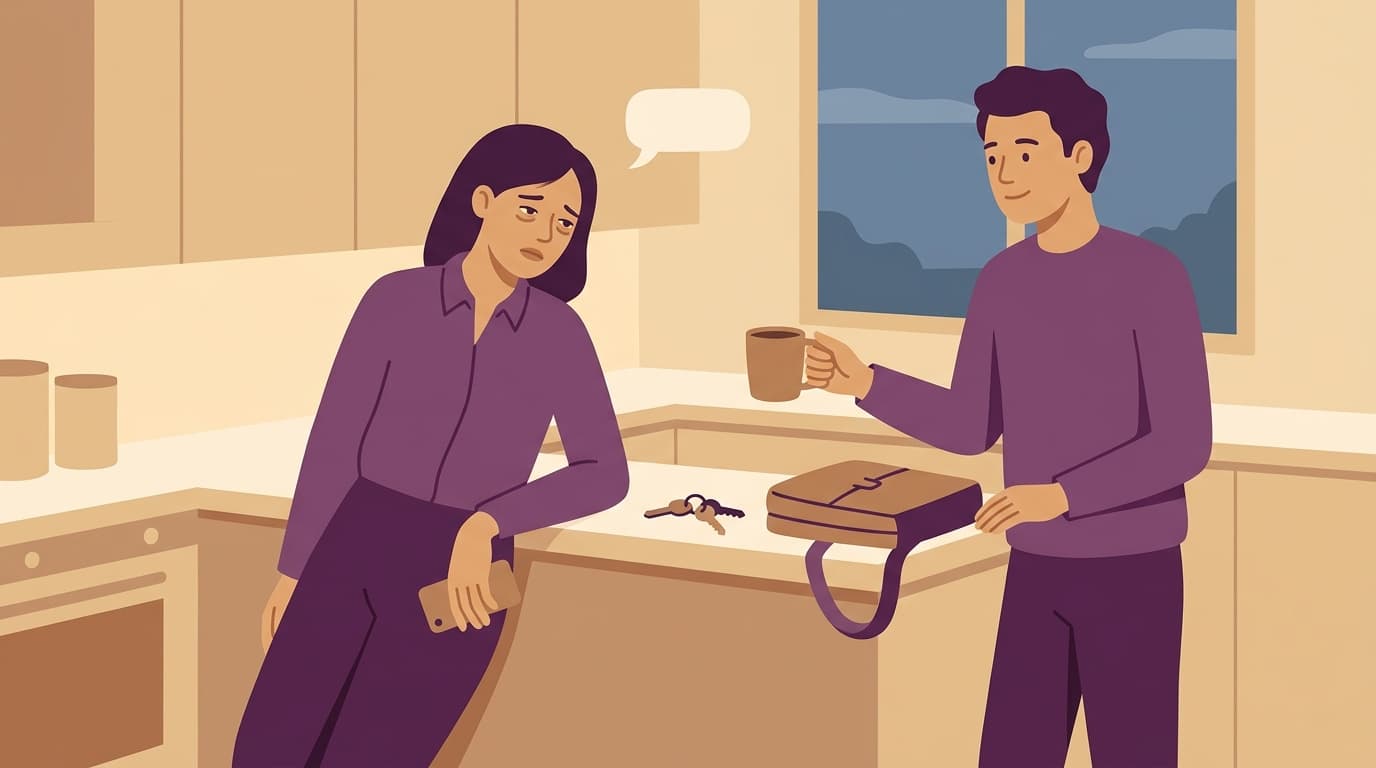
Your partner answering 'fine' every night isn't always dismissal. Why people go monosyllabic and the question formats that get real answers.

Long-distance couples lose shared daily experience first. A daily question ritual puts some of that overlap back. One that works and why.