QuestionsMilestones
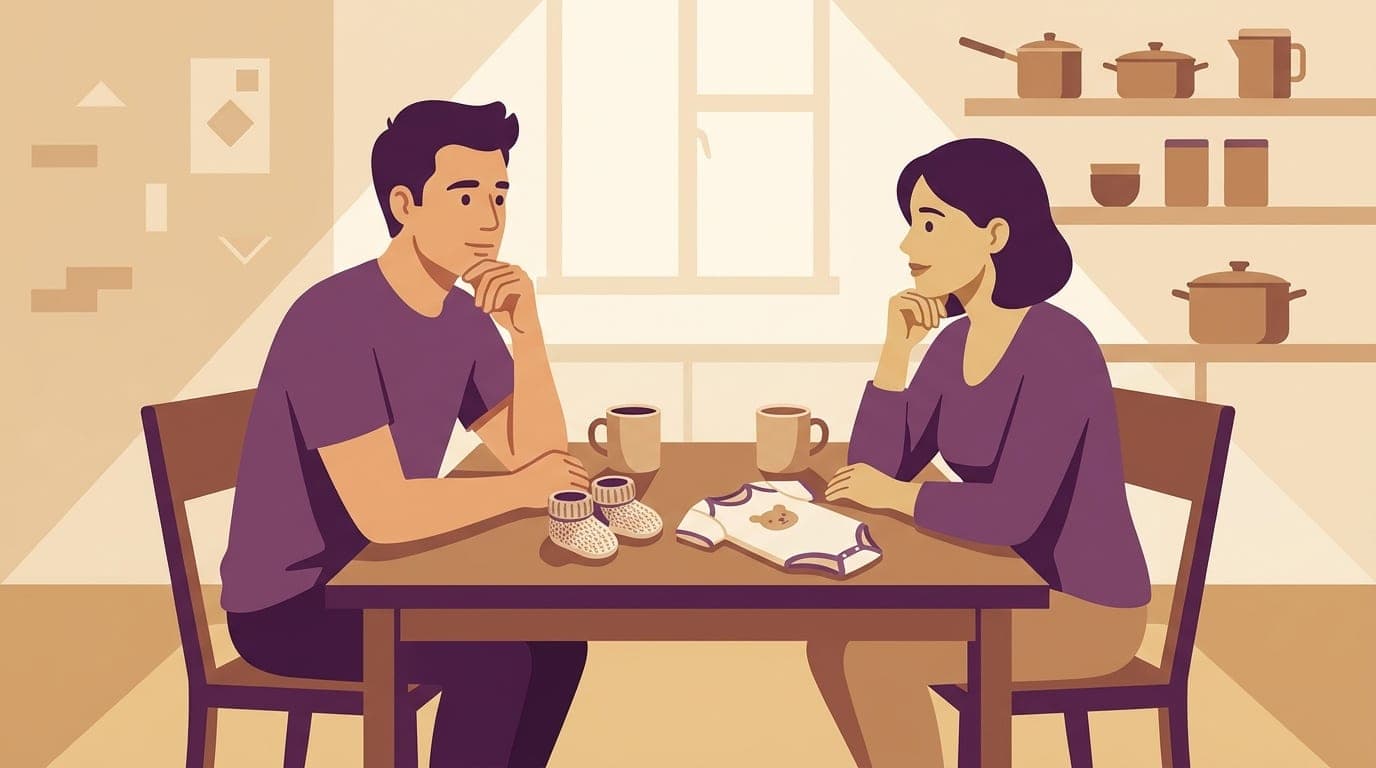
30 questions to ask before having kids
30 questions every couple should discuss before having kids, covering motivations, logistics, money, relationship impact, and contingencies.
12 min
Research, insights, and ideas for couples who want to go deeper.
30 questions every couple should discuss before having kids, covering motivations, logistics, money, relationship impact, and contingencies.
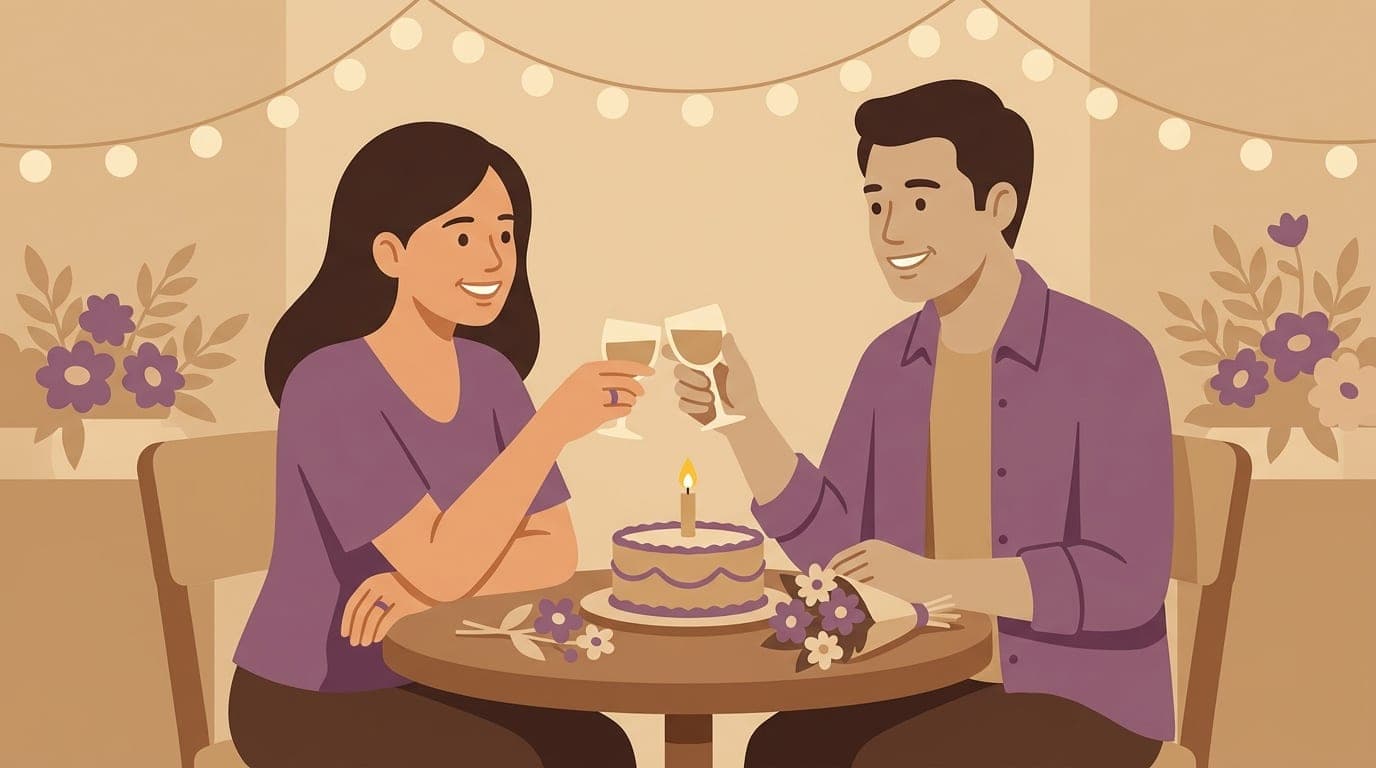
20 anniversary questions for couples to reflect on the past year, check in on the present, and set intentions for the year ahead.
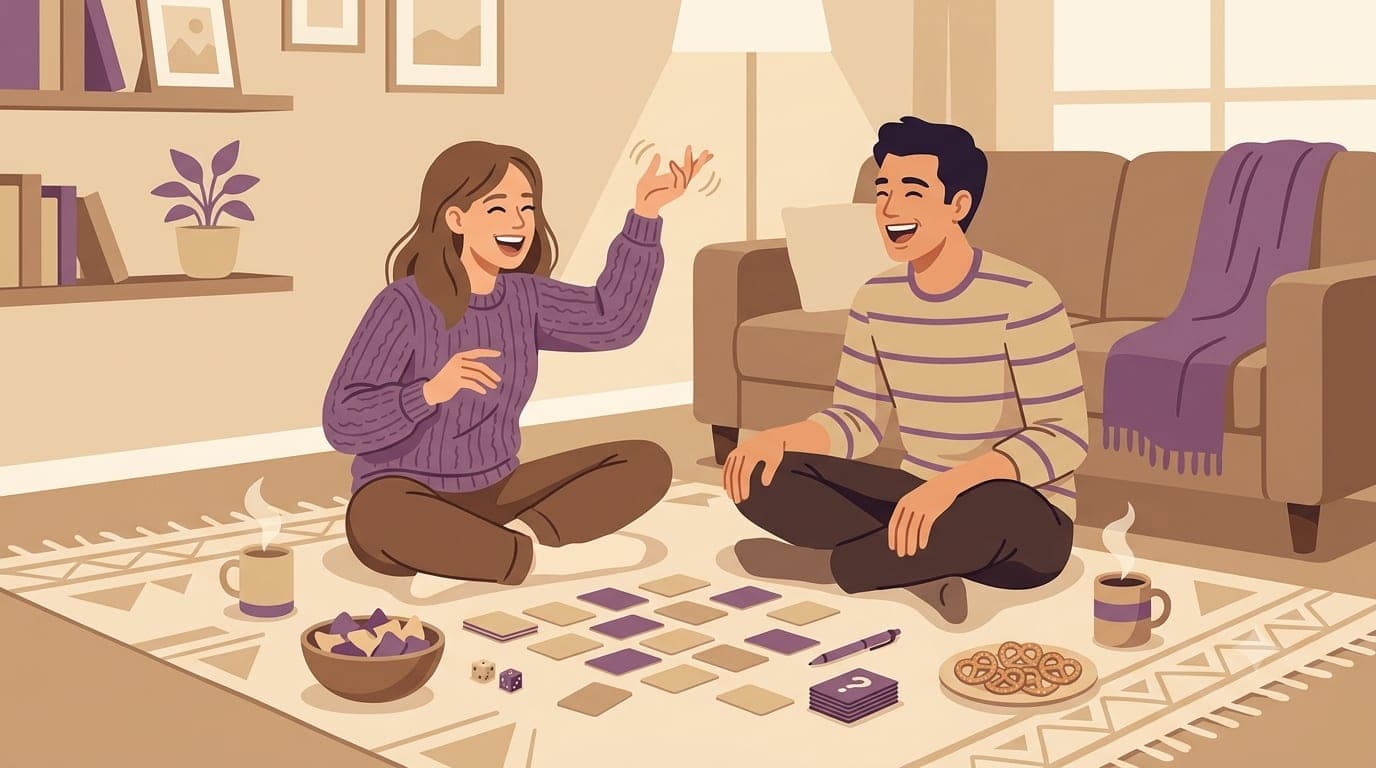
40 Would You Rather questions for couples, from ridiculous hypotheticals to real value trade-offs. The explanations matter more than the answers.
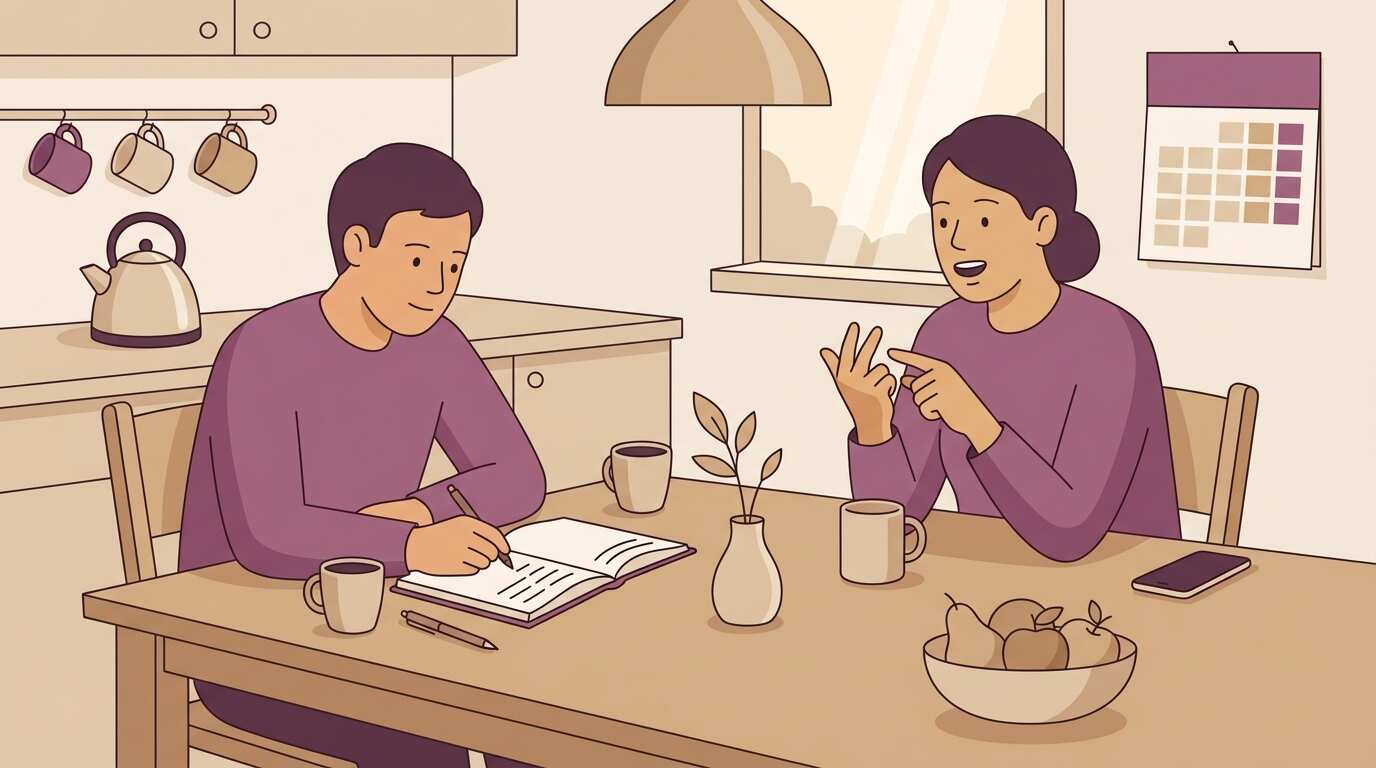
A 20-minute weekly check-in that covers logistics, feelings, and appreciation. Prevents the slow buildup that causes most couple fights.
30 questions for couples who feel stuck, organized by difficulty. Start with safe questions and work toward the things you have been avoiding.

35 questions to ask your partner about their childhood, from happy memories to family dynamics. Plus tips on how to listen well when the answers get heavy.
35 "how well do you know me" questions for couples, friends, and family. A simple way to play, plus what to do when someone gets one wrong.
Questions for couples, organized by where you actually are: new, deep, flirty, long-distance, milestones, everyday. Pick your situation and get the right list.

54 questions to ask your boyfriend, sorted into fun, deep, flirty, and about-us. Skip the generic list. These are built to actually start a conversation.

50 questions to ask your crush, sorted from easy openers to flirty and deep. Warm, natural prompts that keep a conversation going instead of killing it.
40 road trip conversation starters organized from light to deep. Let the miles do the work.

50 questions designed for couples who have been together for years. Go deeper than you think you already have.

30 bedtime questions for couples. Short, warm, designed for those 5 minutes before sleep when honesty comes easy.

100 questions for new couples organized by theme. Skip the generic prompts and ask something worth answering.
25 questions to process a fight with your partner. Move from defensiveness to understanding with the right post-argument conversation.