
CommunicationQuestions
The art of the follow-up question
Harvard research shows follow-up questions make you more likable and deepen relationships. Here is how to use them well.
12 min
79 articles on communication.
Harvard research shows follow-up questions make you more likable and deepen relationships. Here is how to use them well.
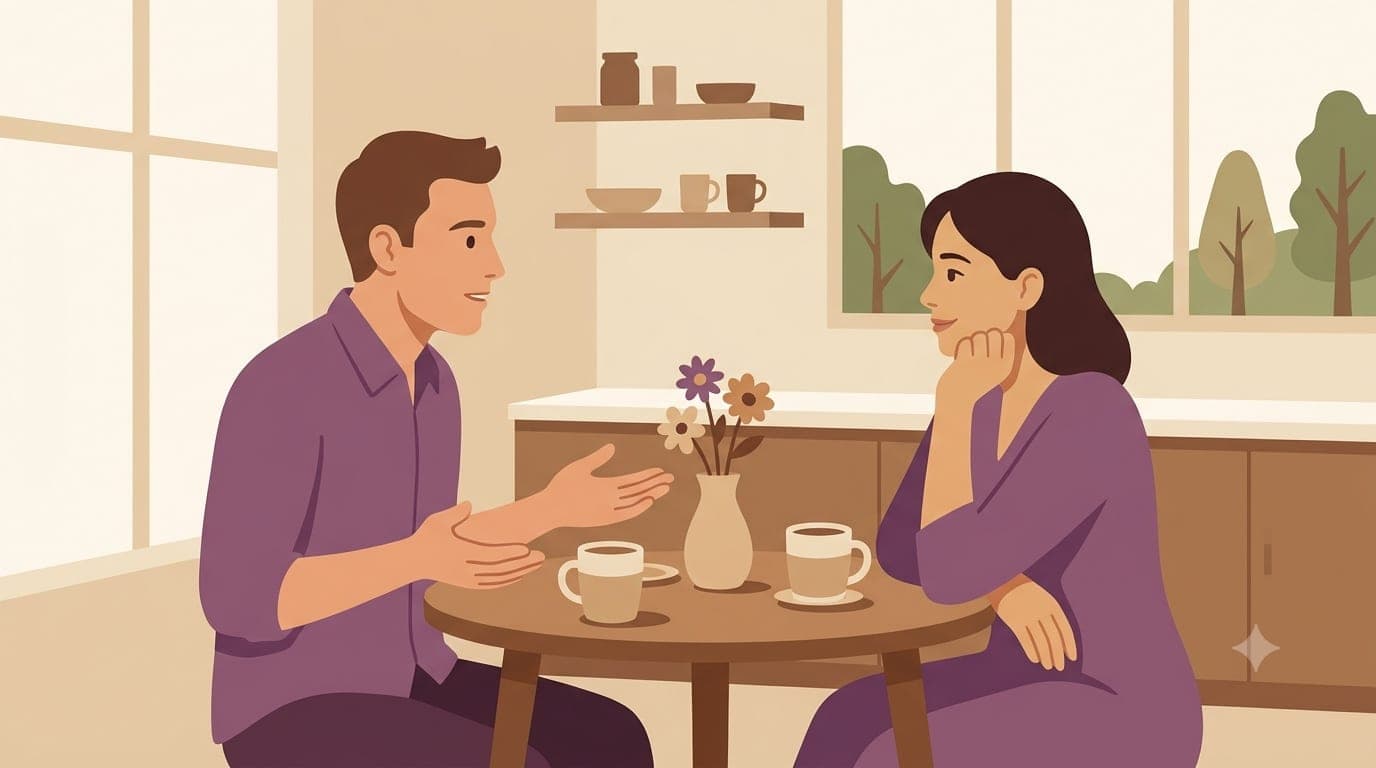
Research-backed techniques for telling your partner what you need without triggering defensiveness or escalation.

What active listening really means, why most people get it wrong, and specific techniques backed by decades of research.

Six evidence-backed relationship skills that matter more than love languages, and why none of them came up in school.

Love languages dominate relationship advice, but the research doesn't support them. Responsiveness predicts relationship success far better.

Long-distance relationships get a bad reputation, but the research disagrees. What actually keeps couples connected across distance.

In-law conflict isn't personal; it's structural. How to set boundaries as a couple and protect your relationship.

Phubbing, doomscrolling, and Instagram comparisons are eroding your relationship. How to set digital boundaries that actually stick.

ADHD doesn't just affect focus. It reshapes relationship dynamics in ways both partners need to understand to stop the blame cycle.

Supporting a partner with anxiety or depression is different from fixing them. Here's how to help without burning out.

Why mental health is a relationship topic, how to bring it up, and how to build a mental health plan as a couple.

Trust isn't rebuilt by promises. It's rebuilt by changed behavior over time. Here's what the research says about the process.
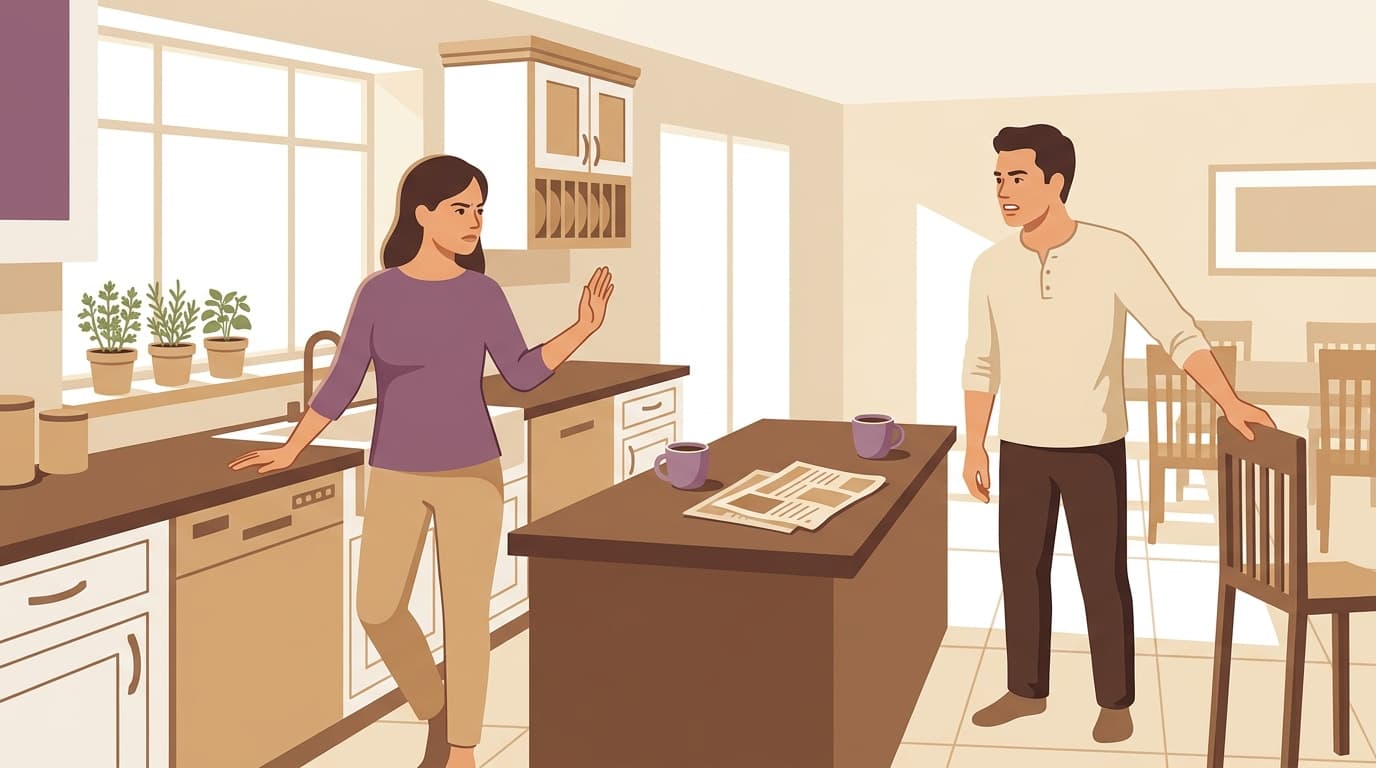
Conflict isn't the problem; how you fight is. Twelve research-backed rules for fighting fair, from soft startups to repair attempts.

Most apologies make things worse. What the research says about real repair attempts and why 'I'm sorry you feel that way' always fails.

Everything research says about couple communication: listening, conflict, repair, attachment styles, and daily practices that work.